Why Caution and Safety Rules Matter in Dubai for European Travellers

Dubai is known for futuristic architecture, spotless beaches, luxury hotels and an impressive sense of order. For visitors from Europe, it can feel easy to navigate: English is widely spoken, public spaces are polished, and service standards are high. Yet safety in Dubai depends not only on avoiding obvious risks, but also on understanding local laws, customs and daily routines. A behaviour that seems normal in Paris, Berlin or Amsterdam may attract unwanted attention or lead to legal trouble in the UAE.
Dubai Safety Rules Are Different from Everyday European Habits
One of the most important reasons to stay cautious in Dubai is that the city operates under laws and social expectations that may be stricter than those familiar to many European travellers. Dubai is modern and international, but it remains part of the United Arab Emirates, where public conduct is taken seriously.
Swearing, rude gestures, loud arguments and insulting messages can have consequences, including complaints to the police. Even online communication should be treated carefully. Before posting a photo, review, video or message, remember that local rules on privacy, defamation and public decency may differ from regulations in Europe.
For travellers comparing destinations across the region, the Europe Catalog is useful for seeing how travel expectations can vary from one country to another. The main point is simple: do not assume that a relaxed rule at home automatically applies in Dubai.

Public Behaviour and Dress Codes in Dubai
Dubai welcomes visitors from around the world, and tourists do not need to dress conservatively at every moment. Beachwear is normal at pools, private beaches and resort areas. However, shopping malls, government buildings, religious sites and traditional districts require more modest clothing. Shoulders, chest and knees are best covered in these settings.
Public displays of affection should also remain discreet. Holding hands is generally less likely to cause concern than kissing or intimate behaviour in public. European visitors often see Dubai as a cosmopolitan city, which it is, but discretion is still part of responsible travel etiquette.
Personal Safety in Dubai: Low Crime Does Not Mean No Risk
Dubai is often considered a safe destination for tourists, especially in well-populated areas such as Downtown Dubai, Dubai Marina, JBR and major shopping centres. Still, caution is necessary. Lost property, unlicensed services, online scams and late-night misunderstandings can affect any traveller.
Use licensed taxis, established ride-hailing apps and official hotel transport whenever possible. Avoid getting into private cars offered by strangers outside airports, clubs or tourist attractions. If someone pressures you to make a fast decision, pay cash immediately or move to a different location, treat it as a warning sign.

How European Visitors Can Avoid Tourist Scams
Most Dubai transactions are straightforward, but tourists should check prices before booking excursions, ordering premium drinks or agreeing to private transport. Ask for a clear total, keep receipts and use payment methods that provide a record. Be particularly cautious with invitations to exclusive parties, vague business proposals and social-media accounts that seem too eager to move a conversation offline.
When planning travel across different destinations, checking a broader country guide can help visitors compare customs, transport norms and practical expectations before they arrive. This is especially useful for Europeans combining Dubai with trips to other regions.
Heat Safety in Dubai Is More Serious Than Many Europeans Expect
The heat is one of the most underestimated Dubai safety issues. Travellers arriving from northern or central Europe may not realise how quickly high temperatures, dry air and strong sunlight can cause dehydration. During warmer months, even a short walk in the afternoon can feel exhausting.
Simple Heat Safety Rules for Dubai
Carry water, wear sunscreen, use sunglasses and plan outdoor activities for early morning or late afternoon. Air-conditioned malls, museums and hotels offer an easy break from the heat, but do not wait until you feel unwell. Dizziness, headache, nausea and unusual fatigue can be early signs of heat exhaustion.
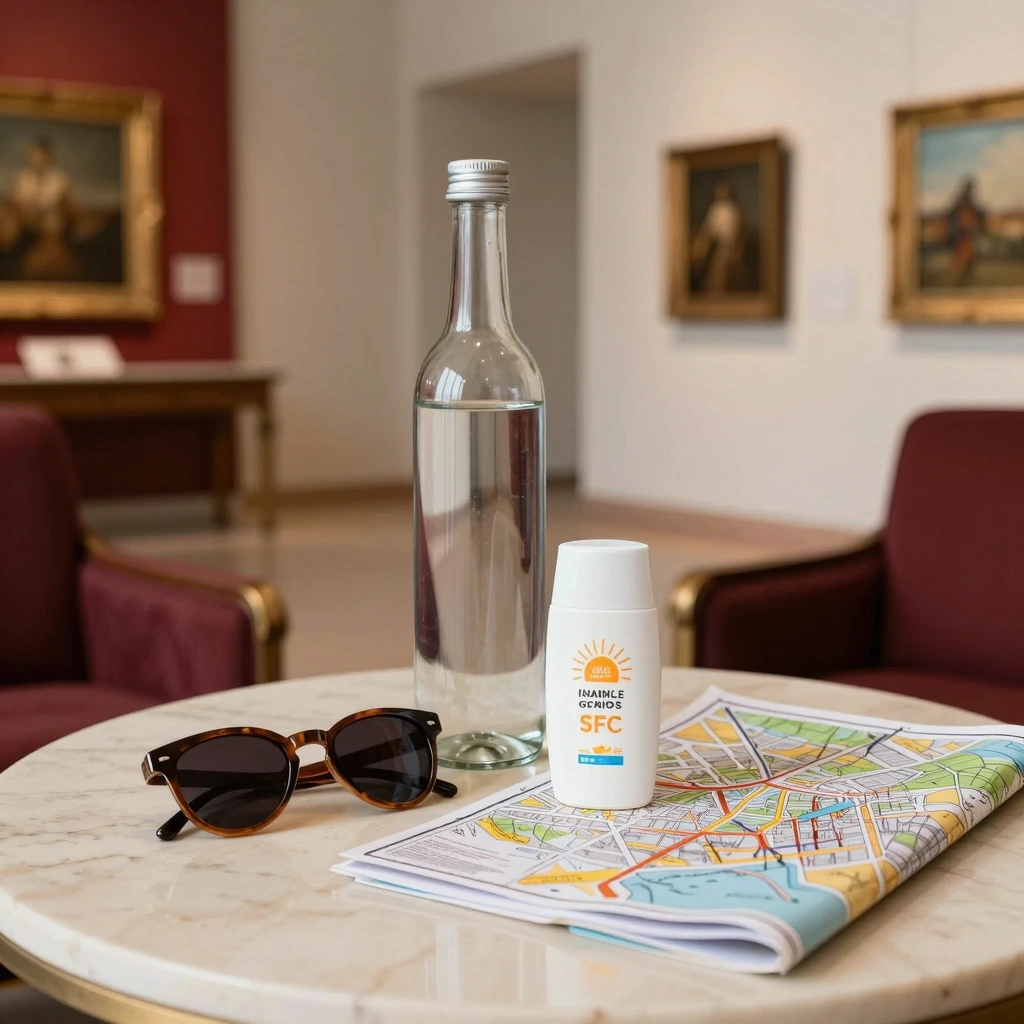
Tourists should also be cautious around pools, beaches and desert excursions. Alcohol, intense sun and a long day outdoors are a poor combination. If you book a desert safari, choose a reputable operator, confirm what is included and follow the guide’s instructions regarding vehicles, animals and outdoor conditions.
Road Safety and Alcohol Rules in Dubai
Traffic in Dubai can be fast and intense, particularly on multi-lane highways. Drivers from Europe should not underestimate the local pace simply because the roads are well maintained. If you rent a car, learn the traffic rules, watch speed limits closely and avoid sudden lane changes. Pedestrians should use designated crossings rather than assuming vehicles will stop.
Alcohol and Responsible Nightlife in Dubai
Alcohol is available in licensed hotels, restaurants and venues, but public drinking and drunken behaviour can lead to serious problems. Do not carry open alcohol in public areas, do not drink in parks or beaches, and never drive after drinking. Dubai has a strict approach to drink-driving, with consequences far beyond a standard European fine.
Nightlife can be enjoyable without becoming careless. Keep your phone charged, tell a friend where you are going, arrange transport before leaving a venue and avoid leaving drinks unattended. These habits are sensible in any major city, but they are particularly valuable when travelling in a country with unfamiliar legal procedures.
Respect for Local Laws Makes Dubai Travel Safer
Dubai rewards prepared travellers. Save copies of your passport, travel insurance and hotel details, keep emergency contacts available and know the address of your accommodation. Avoid photographing people without permission, especially families, security staff, police officers or government buildings.
For European travellers, Dubai can be an exciting contrast to familiar destinations listed in the European travel directory. The safest approach is not fear or overthinking; it is awareness. Respect local customs, make informed choices and give yourself room to enjoy the city without unnecessary complications.