Why Clients Pay Attention to Details in a Profile

In Europe’s fast-moving online market, clients often make an initial decision within seconds. A profile is more than a short introduction or a collection of photos: it sets expectations, communicates personality and helps people understand whether an arrangement may be a good fit. This is why clients pay attention to details in a profile, from clear location information to tone of voice, availability and consistency.
Details in a Profile Create a Sense of Trust
Trust begins before the first message is sent. When a profile feels complete, current and thoughtfully written, clients are more likely to view it as reliable. Small details matter because they suggest that the person behind the profile values communication, time and boundaries.
For example, a client browsing the Europe Catalog may compare several profiles in the same city. A page with clear information about language skills, general preferences, travel plans and response times naturally stands out from one that contains only vague phrases. It does not need to be overly long; it simply needs to answer the questions people are likely to have.
Accurate Location Details Matter for European Clients
Europe is not a single, uniform market. Client expectations can differ between large capitals, coastal destinations, business hubs and smaller cities. A person looking in Vienna may search differently from someone planning a visit to Warsaw, Prague or Barcelona. Clear city and country information prevents confusion and makes a profile easier to find.
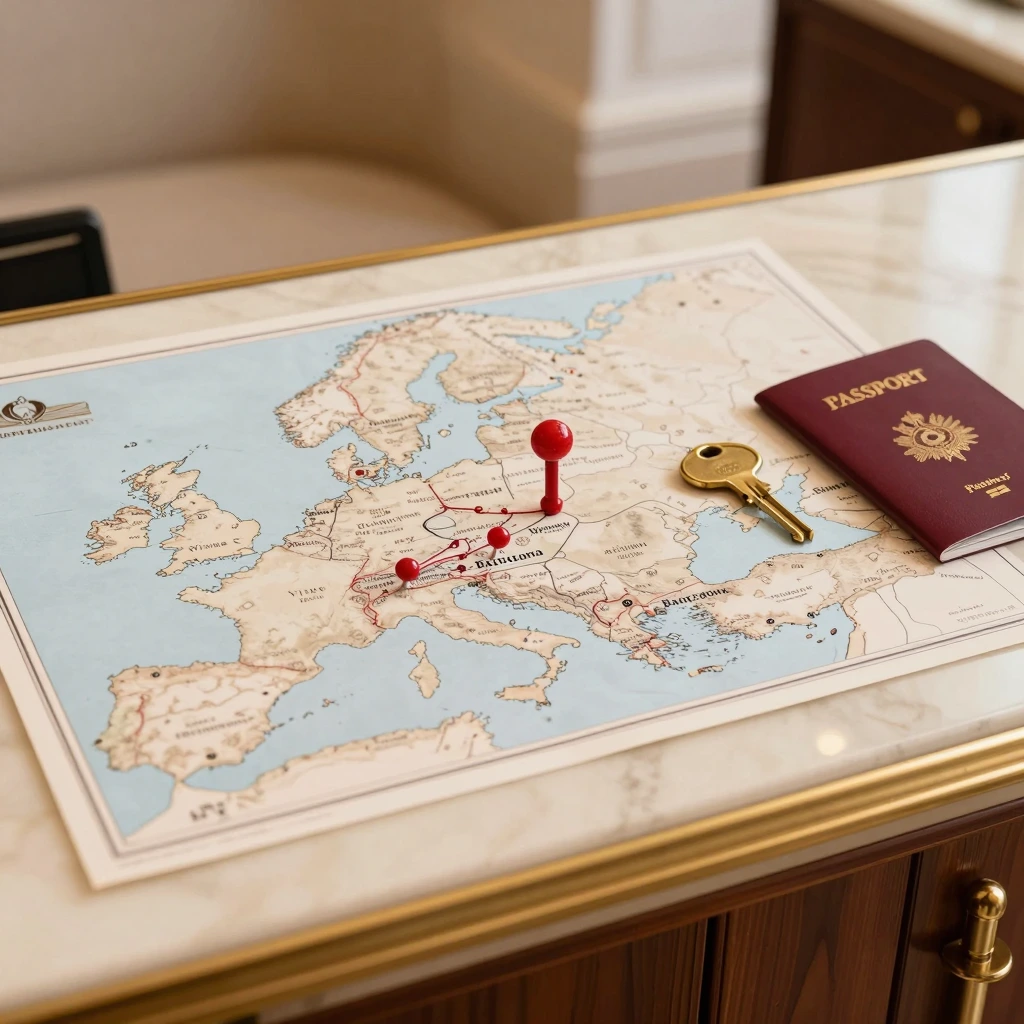
Country-specific browsing also makes relevance important. Someone exploring escort services in Austria will generally appreciate knowing whether a profile is based in Vienna, available across the country or visiting selected locations. The same applies to clients comparing options through pages for escort profiles in France or other European destinations.
A precise location does not mean publishing unnecessary private information. A city, region or travel route is usually enough to help clients understand whether contact makes practical sense.
Clients Notice Consistency Between Profile Text and Photos
Consistency is one of the most persuasive details in a profile. Photos, written description and stated information should feel like parts of the same story. If the tone is elegant and calm, the imagery and wording should support that impression. If the profile presents a lively, social personality, the text should not read like a formal corporate biography.
Clients are observant. They notice outdated photos, conflicting age details, unclear languages, or descriptions that do not match the visible style of the profile. These mismatches may not always mean anything serious, but they can create hesitation. In a market where people have many choices, hesitation often means they move on.

Authentic Profile Details Are More Convincing Than Big Promises
Overly polished claims tend to sound less credible than specific, human details. Mentioning interests such as art exhibitions, fine dining, travel, wellness or conversation can make a profile more memorable when those details are genuine. The goal is not to create a fictional character. It is to give clients enough context to imagine a comfortable and respectful meeting.
A concise description of languages can be especially valuable across Europe. English may be widely used, but German, French, Italian, Polish, Spanish and other languages can shape the comfort of communication. Clients often notice this detail because it affects planning from the very first message.
Clear Profile Information Saves Time for Both Sides
Clients often look for practical answers before reaching out. They may want to know the general area, scheduling approach, travel availability, preferred contact method or whether advance planning is appreciated. When these points are explained politely, conversations become easier and more focused.
This is particularly relevant for visitors who use a country directory while arranging a European trip. They may be booking flights, hotels, restaurants and business meetings at the same time. A profile that provides straightforward, current information can feel far more convenient than one that requires several messages just to establish the basics.
Boundaries and Communication Style Shape Client Confidence
Professional boundaries are not a barrier to interest; they often increase confidence. A profile that communicates expectations in a calm, respectful way signals maturity. Clients appreciate knowing how to make an enquiry, how far in advance to write and what kind of communication is welcome.
There is no need for rigid language. A friendly sentence about respectful messages, discretion or planned appointments can set the right tone. It also filters out unsuitable enquiries, leaving more room for conversations with people who value the same standards.
Why Clients Read the Small Print in a Profile
Short lines about availability, travel, languages or local knowledge can influence a client’s choice more than dramatic headlines. For a business traveller in Germany, a profile with practical city information may be more appealing than a generic description. For someone preparing a weekend in the Netherlands, a note about local availability can be the deciding factor. Browsing escort listings in Germany or escort profiles in the Netherlands becomes simpler when each profile answers essential questions clearly.
A Well-Written Profile Helps Clients Make Comfortable Decisions
Clients do not pay attention to details in a profile because they expect perfection. They do it because details reduce uncertainty. A complete, natural profile helps them understand the person, the setting and the communication style before they get in touch.
For anyone building a profile for a European audience, the strongest approach is simple: keep information accurate, update it when circumstances change, use a voice that feels natural and include practical details without oversharing. That balance creates credibility, improves visibility and gives the right clients a reason to start a respectful conversation.