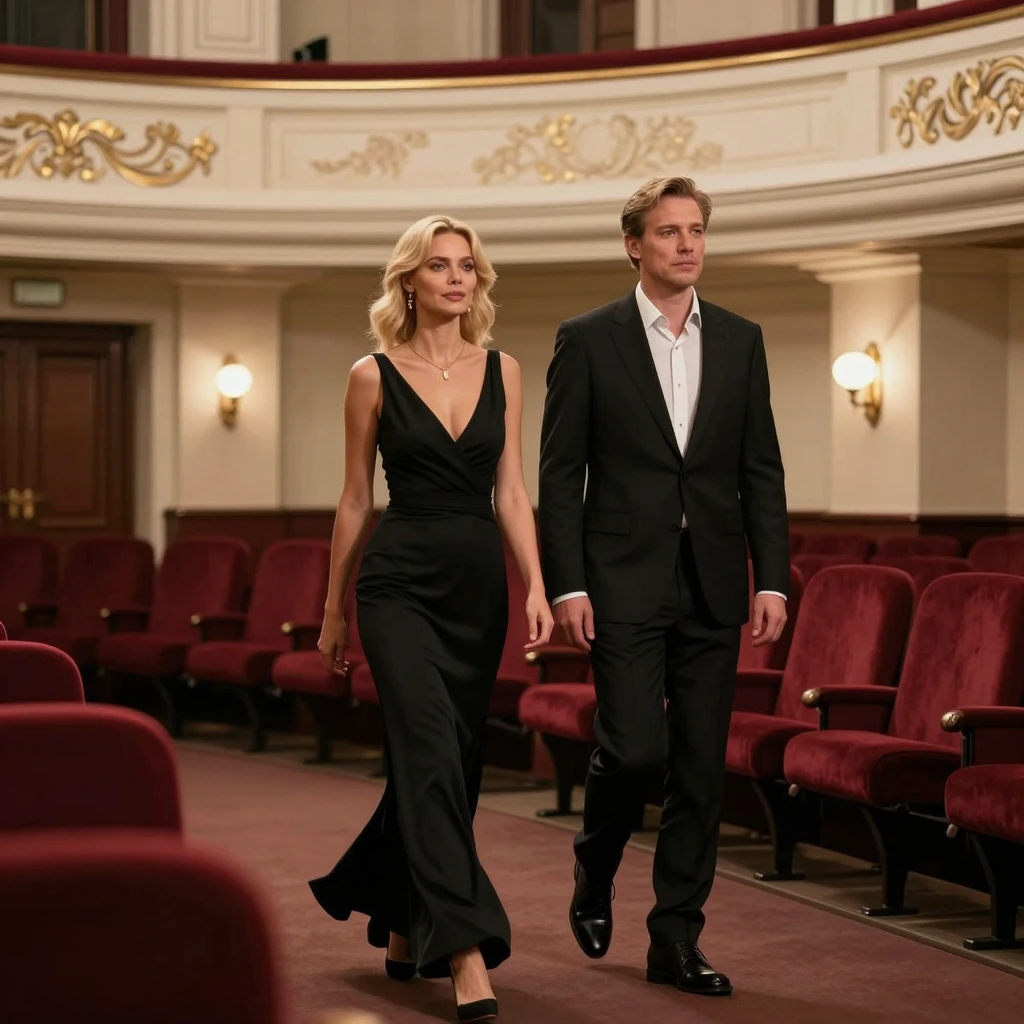
Why Photographs Play a Decisive Role and How They Are Made
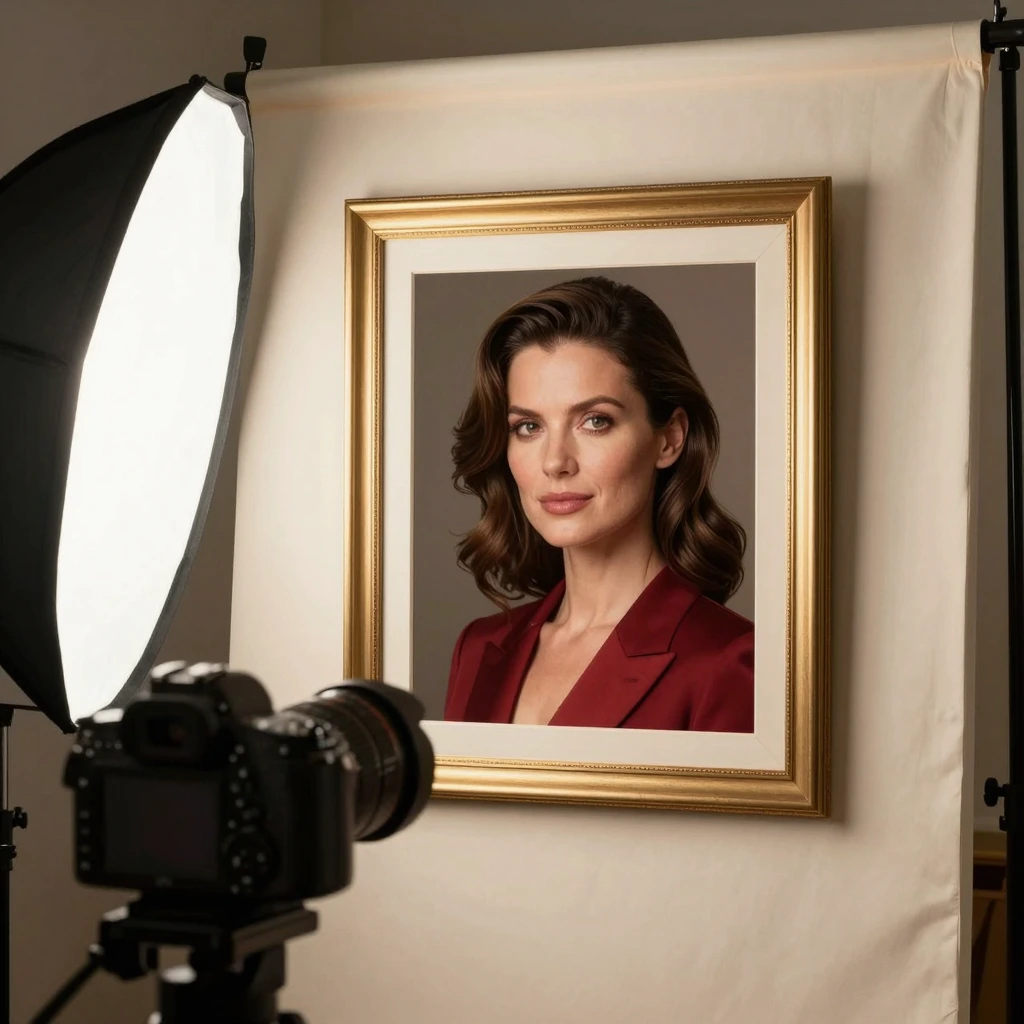
In Europe’s fast-moving digital space, photographs often speak before a profile, description, or message has the chance to do so. A well-made image creates a first impression in seconds: it can suggest confidence, warmth, style, discretion, or a particular lifestyle. Whether someone is browsing the Europe Catalog or comparing options in a specific city, photography is not decoration. It is a practical part of communication, trust, and personal presentation.
Why photographs matter in European online profiles
European audiences are diverse, yet one expectation remains common from Lisbon to Helsinki: images should feel believable. People respond to photographs that look polished without becoming artificial. Excessive filters, old pictures, unclear lighting, and heavily edited facial features can create distance instead of interest.
A strong photo helps a viewer understand the atmosphere behind a profile. It can show whether the person prefers refined evening settings, relaxed city walks, modern interiors, travel-inspired aesthetics, or a more classic style. This visual context is especially valuable when browsing a broad selection of country profiles across Europe, where taste and local visual culture may vary significantly.
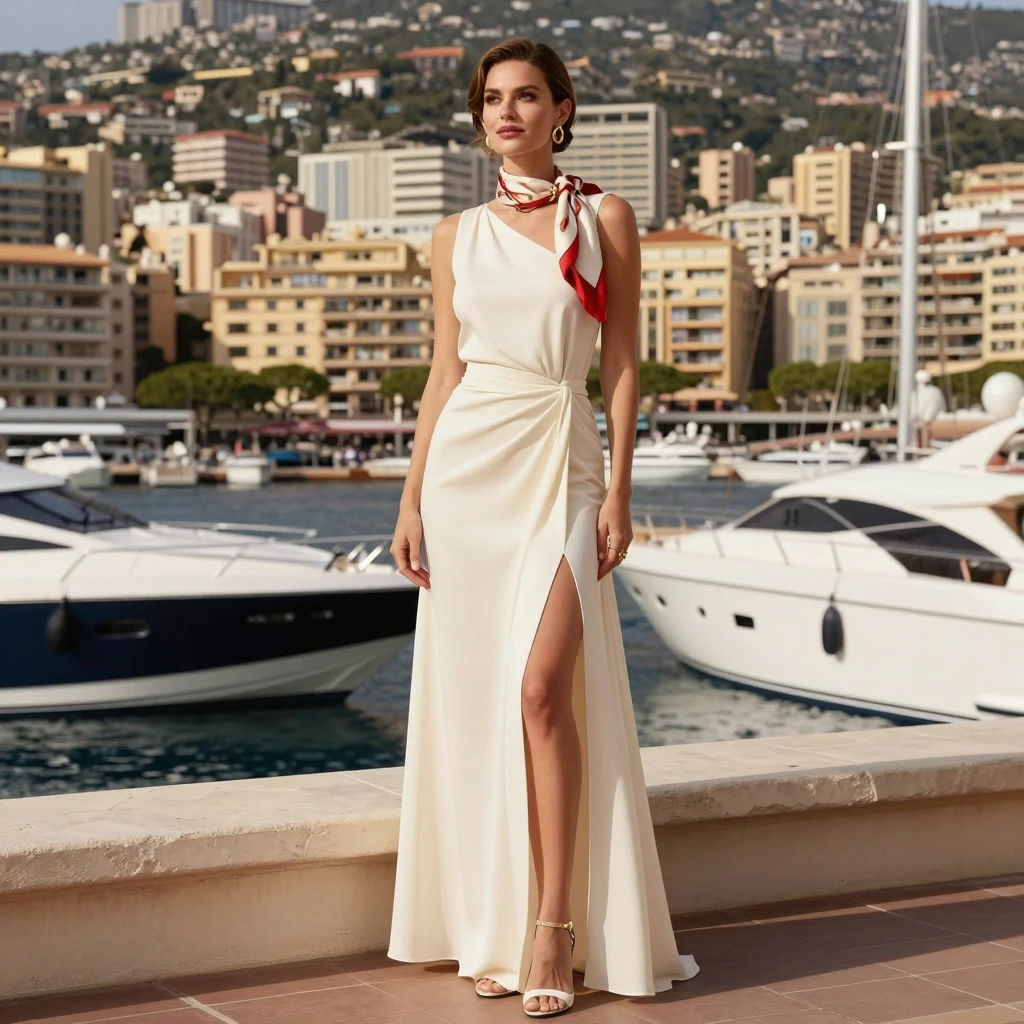
For example, editorial-looking photography may work naturally in Paris, Milan, Vienna, or Monaco, while bright outdoor shots can feel more fitting for coastal locations in Greece, Croatia, Portugal, or Cyprus. The goal is not to copy a trend but to make the photographs match the person, the destination, and the audience.
Photography creates trust before the first conversation
Trust begins with consistency. When photographs reflect the written profile, visitors receive a clearer and more reliable impression. If the description presents an elegant, well-travelled personality, the images should support that message through wardrobe, setting, posture, and image quality.
This does not mean every photograph needs to look like a fashion campaign. In fact, a profile often benefits from variety. One clean portrait can show facial expression, while a full-length image gives a sense of style and presence. A candid frame in a café, hotel lounge, museum district, or landscaped street can add personality without revealing unnecessary private details.
In markets where discretion matters, such as escort services in Austria or other major European destinations, the best photographs balance openness with privacy. They communicate enough to inspire confidence while protecting personal boundaries.
How professional photographs are planned
A successful photo session begins long before the camera is switched on. The photographer and model usually discuss the intended mood, location, clothing, colours, and final use of the images. A set designed for a profile is different from a casual holiday album: every detail should guide attention toward the person rather than distract from them.
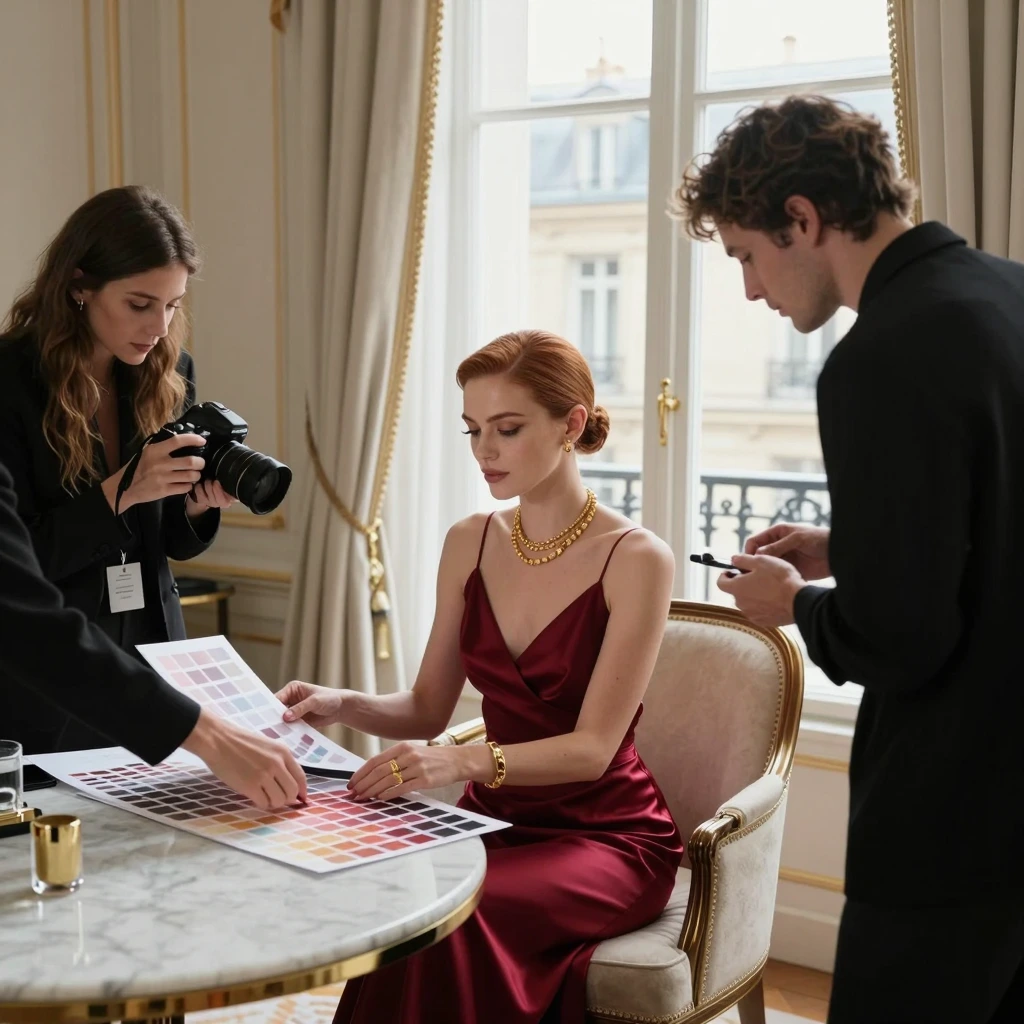
Location is one of the first choices. European cities offer plenty of visual character, but famous landmarks are not always the best background. A quiet boutique hotel, a softly lit apartment, a gallery-style lobby, a terrace, or an elegant street can look more natural than a crowded tourist spot. The background should support the composition and never compete with the subject.
Wardrobe is planned in the same way. Neutral shades, clean lines, and fabrics that photograph well often outperform overly complicated outfits. Bringing two or three looks creates variety: perhaps a sophisticated dress, a smart casual option, and a more relaxed style. The images remain connected while avoiding repetition.
Light, angles, and camera work behind great photography
Lighting is the foundation of good photography. Soft daylight near a large window creates gentle skin tones and natural depth. Outdoor sessions are often scheduled during the early morning or late afternoon, when sunlight is warmer and less harsh. Indoors, photographers may use diffused lamps, softboxes, or reflected light to avoid heavy shadows.
Angles also matter. A camera positioned slightly above eye level can create an open, flattering portrait, while full-length shots usually benefit from a lower and more distant angle. The photographer watches posture, hands, shoulders, and chin position because small adjustments can change the entire energy of an image.
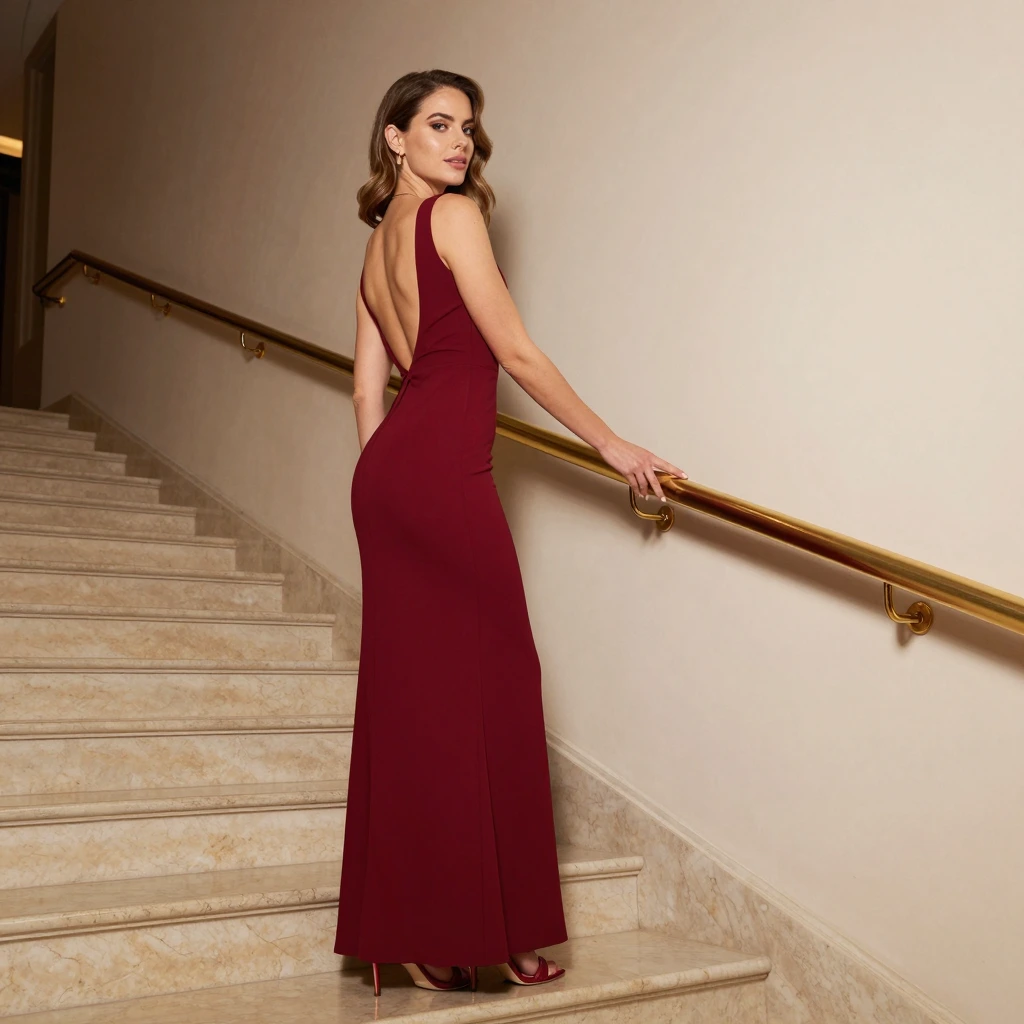
Professional work is not about forcing a pose every second. The best photographs often appear during movement: turning toward a window, adjusting a jacket, walking through a room, smiling after a conversation, or looking away from the lens. These moments feel lived-in rather than staged.
Editing photographs without losing authenticity
Retouching is part of modern photography, but it should remain subtle. Colour correction, exposure balancing, background cleanup, and minor skin adjustments can improve a frame without changing the person in it. The objective is to present the best version of reality, not invent a different identity.
Overediting is easy to spot. Plastic-looking skin, distorted proportions, unrealistic eye colour, and dramatic filters may attract attention briefly, but they can reduce credibility. European viewers increasingly value an honest visual presentation, particularly in destination-based searches such as escort profiles in Italy, where style and authenticity are both highly visible.
Choosing the final photographs for a profile
Quality is more important than volume. A carefully selected gallery of recent, varied photographs usually performs better than dozens of similar images. Start with a clear main portrait, then add full-length images, lifestyle frames, and one or two details that reveal personality. Keep the visual tone consistent, but avoid using the same pose repeatedly.
Photographs play a decisive role because they set expectations, create emotional connection, and make a profile easier to remember. When planning, lighting, posing, and editing are handled with care, images do more than look attractive. They tell a credible story—one that fits the person and the European audience they want to reach.