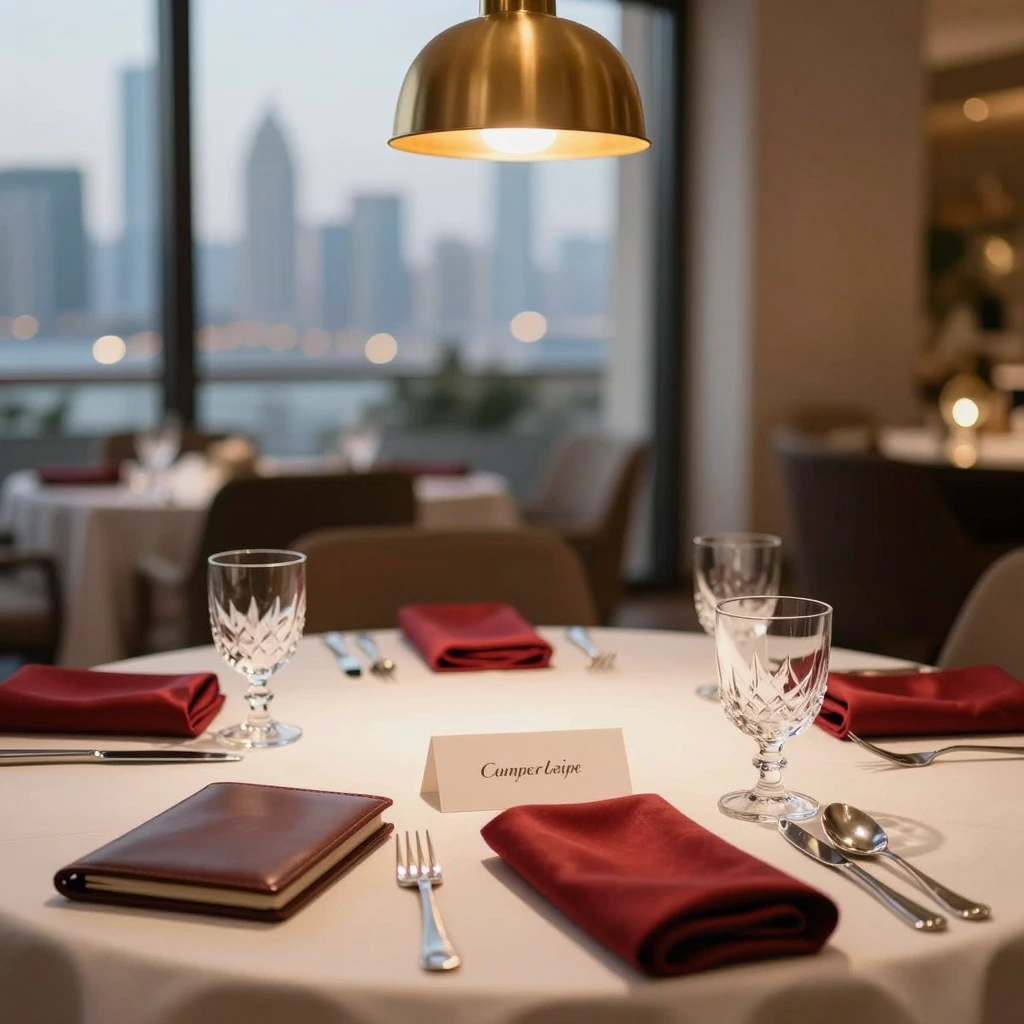
How Hotel Level Influences a Woman’s Choice and the Cost of a Meeting in Europe

In European cities, the hotel is rarely just a place to sleep. Its location, privacy standards, atmosphere and service level can shape how comfortable a woman feels about meeting someone there. At the same time, hotel category may affect the overall cost of a meeting: not as a fixed rule, but through travel time, safety expectations, discretion and the type of experience being planned.
Why Hotel Level Matters When Planning a Meeting
A well-chosen hotel creates a calmer first impression. In cities such as Paris, Vienna, Milan or Amsterdam, a central four-star hotel can feel more practical than an isolated luxury resort outside the city. A woman will often assess the entire situation: the neighbourhood, public transport, reception desk, lobby atmosphere and whether she can arrive and leave comfortably.
The level of accommodation also sends a message about planning. It does not need to be extravagant. Cleanliness, professional staff, a good location and clear guest policies are usually more important than marble interiors or a penthouse suite. For many women, a reliable hotel suggests that the meeting has been organised with respect rather than rushed at the last minute.
When comparing destinations through the Europe Catalog, it becomes obvious that hotel expectations differ from one market to another. A boutique hotel in Prague may feel premium and intimate, while in Monaco or Zurich the same budget may only cover a standard business property.

Hotel Category and a Woman’s Choice
Three-star hotels: practical, but dependent on location
A good three-star hotel can be a sensible option for an informal daytime meeting, dinner plans or a short city visit. In Europe, quality varies widely within the same rating. A modern three-star property in central Lisbon, Budapest or Kraków may be more appealing than an outdated four-star hotel on the outskirts.
The deciding factor is often not the number of stars but the details: secure entrance, clean common areas, polite reception staff and easy access to taxis or metro stations. If a hotel has poor reviews, a noisy setting or unclear visitor rules, it may reduce interest regardless of the room price.
Four-star hotels: the most balanced choice for meetings
Four-star hotels are often the middle ground for a comfortable meeting in Europe. They usually provide an established reception, pleasant lobby, room service, reliable housekeeping and a location close to restaurants or business districts. This category works particularly well in cities where privacy and convenience matter equally.
For example, a central four-star hotel in Berlin, Rome, Barcelona or Copenhagen gives both people more flexibility. It is easier to meet for coffee in the lobby, change plans after dinner or arrange transport without unnecessary complications. That level of convenience can influence a woman’s choice more than a costly suite.

Five-star hotels: luxury, privacy and higher expectations
Luxury hotels add a different dynamic. They may offer private entrances, concierge support, spa areas, discreet service and spacious suites. In high-cost destinations such as London, Geneva, Cannes, Monaco or Oslo, this can be part of the expected standard for clients who value premium surroundings.
However, a five-star reservation does not automatically guarantee a better connection. Some women may prefer a relaxed boutique hotel over a formal luxury property. The right choice depends on personality, itinerary and the purpose of the meeting. Comfort should never become pressure or a substitute for respectful communication.
How Hotel Level Can Affect the Cost of a Meeting
The cost of a meeting in Europe is shaped by more than the hotel room rate. A higher-level property can increase expenses through accommodation, transport, dining, parking, minibar prices and service charges. In major capitals, even a simple dinner at a hotel restaurant may cost considerably more than an excellent local venue nearby.
Hotel level may also influence expectations around time and planning. A central, reputable property reduces travel stress and can make scheduling easier. If a woman needs to cross a large city late at night or use several transfers, the meeting may require additional transport arrangements. In practical terms, convenience has value.

For destination-specific comparisons, the country directory for Europe is useful for understanding how local prices, travel habits and hotel standards vary. A budget that feels generous in Sofia or Belgrade may be modest in Stockholm, Dublin or Luxembourg.
European Cities Have Different Hotel Expectations
Western and Northern Europe
In cities such as Amsterdam, Brussels, Hamburg, Paris and Copenhagen, guests often expect professional service, transparent rules and strong privacy standards. Hotel prices are generally higher, especially during conferences, fashion weeks, festivals and holiday periods. Booking early matters, as last-minute rates can sharply increase the cost of a meeting.
Southern and Central Europe
In Italy, Spain, Portugal, Hungary and the Czech Republic, boutique hotels and renovated historic properties can offer excellent value. A stylish room near the old town may create a better experience than an international chain located far from restaurants and nightlife. The atmosphere of the neighbourhood often plays a major role in a woman’s decision.
Smaller European markets and seasonal destinations
In coastal areas, ski resorts and smaller capitals, availability can be more important than hotel category. Summer in Croatia, Greece, Cyprus or Montenegro brings higher rates and limited rooms. During these periods, a dependable four-star hotel with flexible cancellation can be more valuable than chasing a luxury deal.
Choosing the Right Hotel Without Overspending
The best approach is to match the hotel to the actual plan. For a dinner and city walk, choose a central location with a welcoming lobby. For a longer stay, prioritise room size, breakfast, soundproofing and transport access. For a premium occasion, a five-star hotel may be worthwhile if the service and setting genuinely add to the experience.
Before confirming any meeting, discuss expectations openly, respect personal boundaries and follow local laws and hotel policies. A comfortable arrangement is built on clear communication, not on the number of stars above the entrance.
Whether you are considering a business hotel in Vienna, a boutique stay in Prague or a luxury address on the French Riviera, the right accommodation should make the meeting easier, safer and more enjoyable for both people.