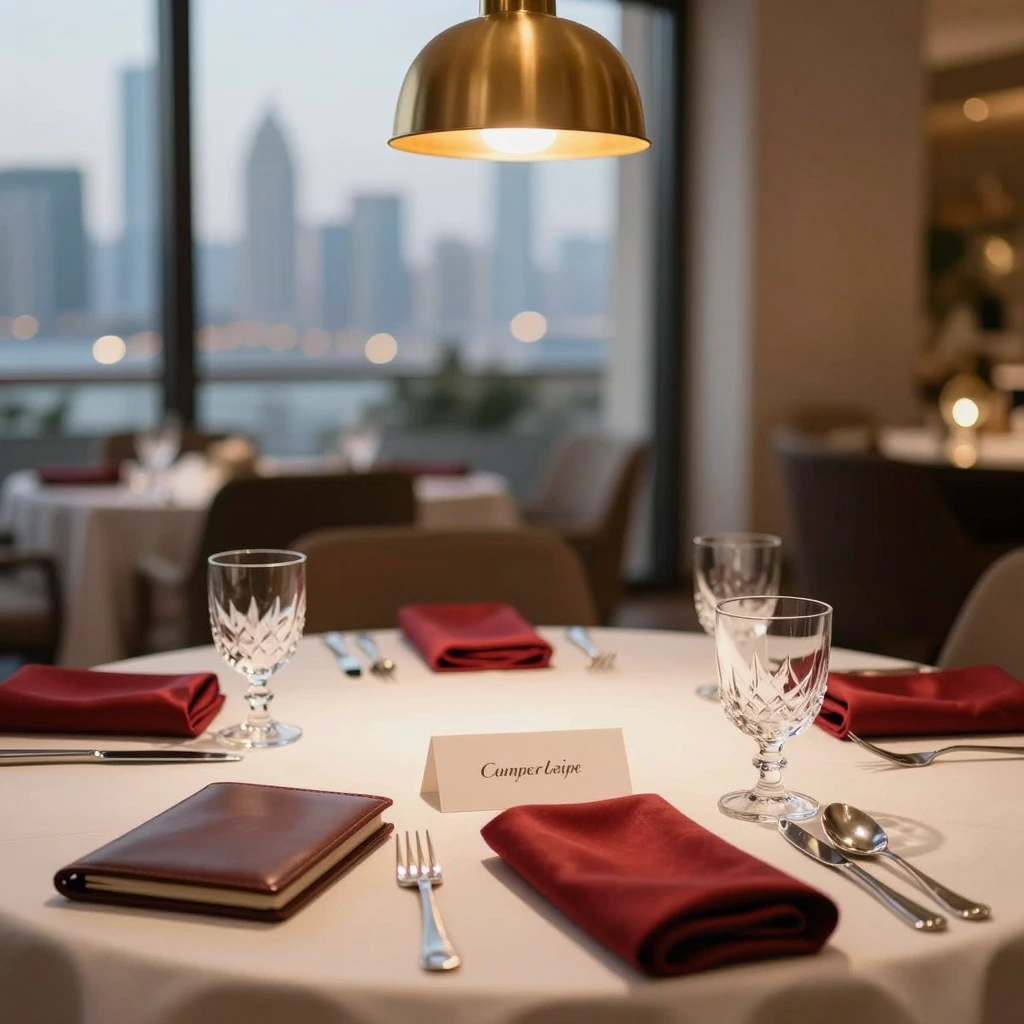
How Overnight Meetings Work and What Makes Them Different in Europe
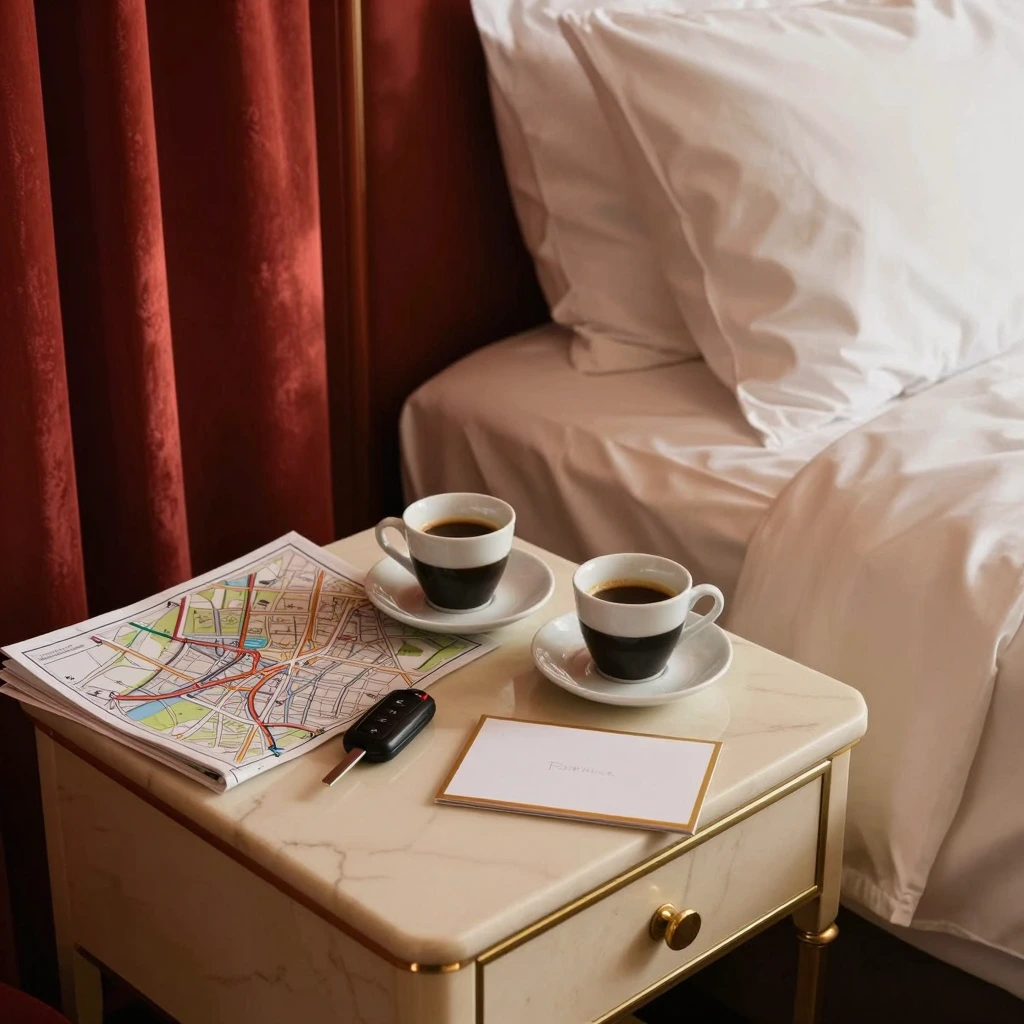
Overnight meetings are longer arrangements that extend beyond an evening date and usually include several shared hours, dinner, rest, travel within the city, and a clear plan for the following morning. Across Europe, the format varies according to local culture, accommodation rules, transport options, and personal preferences. The key to a comfortable overnight meeting is not the number of hours, but thoughtful planning, respectful communication, and clear boundaries from the start.
What Is an Overnight Meeting?
An overnight meeting generally means a pre-arranged appointment lasting through the night, often from late evening until morning. Unlike a short dinner date or a few hours together, this format leaves room for a slower pace: a restaurant visit, a walk, conversation, a hotel stay, breakfast, or a morning departure schedule.
For many people, the appeal is simple. There is no need to rush between plans or watch the clock every hour. However, an overnight arrangement also requires more organisation. Expectations, timing, privacy, transport, and accommodation should be discussed beforehand rather than assumed.
Overnight Meetings in Europe: Local Rhythm Matters
Europe is not one uniform destination. A late dinner in Madrid may begin at a time when restaurants in Helsinki are already winding down. In major cities such as Paris, Berlin, Milan, Amsterdam, and Prague, nightlife can make late evening plans feel natural. In smaller towns, hotel reception hours, taxi availability, and quiet-night rules may shape the schedule more strongly.

When browsing a Europe catalog of destinations, it helps to think beyond the city name. Consider arrival times, airport distance, public transport at night, and whether a particular area is active after midnight. A central hotel can simplify logistics, while a more remote location may require booking a reliable ride in advance.
Overnight Meetings in Germany, France, and the Netherlands
In Germany, punctuality and direct communication are often appreciated, especially when confirming meeting times and hotel details. Visitors arranging plans through escort services in Germany may find that a clear itinerary makes the evening smoother, particularly in large cities where travel between districts can take longer than expected.
France often lends itself to a dinner-first schedule, especially in Paris, Lyon, or Nice. Reservations matter, and many venues expect smart casual dress. In the Netherlands, the practical side is equally important: cycling culture, weather, and busy urban centres can affect late-night movement. Booking accommodation close to the intended evening area avoids unnecessary transfers.
Overnight Meetings in Italy, Spain, and Portugal
Southern Europe often follows a later social rhythm. In Italy, an overnight meeting may naturally start with an aperitivo and a late meal. Cities such as Rome, Milan, and Florence can be lively well into the evening, but historic centres may have restricted driving zones and limited taxi access at certain hours.
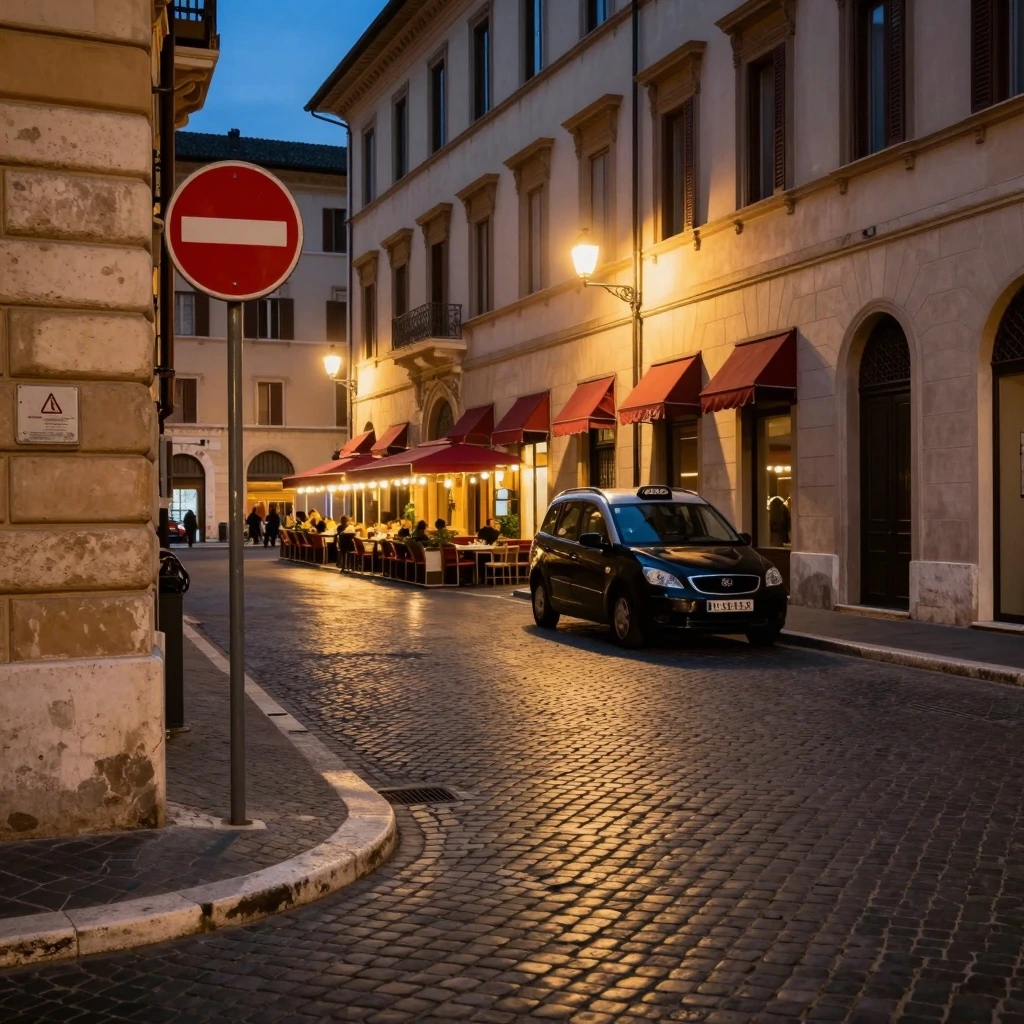
Portugal offers a relaxed setting in Lisbon and Porto, while coastal destinations can change dramatically by season. During summer, popular areas stay busy late; in quieter months, advance planning becomes more useful. If you are comparing options in different cities, a Portugal destination page can help you focus on the location that matches your travel route.
Planning an Overnight Meeting Without Awkwardness
The best overnight meetings are built around clarity. Before meeting, agree on the approximate start time, duration, meeting point, and the general shape of the evening. There is no need to over-script every moment, but basic details prevent confusion when plans are already underway.
Details Worth Confirming Before an Overnight Meeting
Confirm the hotel policy for visitors, the check-in window, and whether identification is required at reception. In many European hotels, guest registration rules are strict and may differ between countries. A reputable property with a 24-hour front desk can make a late arrival easier.
It is also sensible to discuss transport. Night buses may be limited, metro systems can close earlier than expected, and surge pricing for ride services is common after concerts, sporting events, or weekend nightlife. Keep enough time for a calm departure in the morning, especially if one person has a train or flight to catch.

Privacy, Safety, and Respect During Overnight Meetings
Privacy should never be treated as an afterthought. Choose a legitimate hotel or accommodation with transparent policies, avoid sharing unnecessary personal information, and keep valuables secure. Both people should feel free to pause, change plans, or end the meeting if something feels uncomfortable.
Respect is what turns a long evening into a pleasant experience. Listen carefully, avoid pressure, and treat agreed boundaries as fixed. This matters everywhere, whether arranging an evening in Vienna through escort options in Austria or planning a city break in Prague, Budapest, or Brussels.
Local laws and venue rules also deserve attention. Regulations around adult services, public conduct, visitor registration, and accommodation vary across Europe. Checking the practical conditions in the relevant country directory before travelling can save time and avoid misunderstandings.
What to Expect the Next Morning
The morning is part of an overnight meeting, even if it is brief. Some people prefer a quiet coffee and a timely departure; others may plan breakfast or a short walk before heading out. Discussing this in advance is useful, particularly when hotel checkout, work commitments, or train schedules create a tight timetable.
A considerate ending is simple: be on time, respect the agreed departure plan, and leave the room or accommodation in good order. Small details such as arranging a taxi the night before or checking breakfast hours can make the experience feel effortless.
Why Overnight Meetings Need More Preparation Than Short Dates
Longer arrangements offer more flexibility, but they also involve more moving parts. European cities differ in pace, language, hotel customs, and transport infrastructure, so a one-size-fits-all approach rarely works. A well-planned overnight meeting balances spontaneity with practical preparation.
Choose a convenient location, communicate directly, respect local rules, and keep the schedule realistic. With those elements in place, overnight meetings can feel less like a complicated arrangement and more like a calm, well-organised evening in a city worth enjoying.