Analysts Report Growth in Multi-Day Bookings Among Business Clients Across Europe

Business travel in Europe is becoming less rushed. Analysts tracking accommodation demand, executive mobility and corporate travel patterns are seeing a clear rise in multi-day bookings among business clients. Instead of flying in for a single meeting and leaving the same evening, companies increasingly reserve stays lasting two, three or more nights. The shift is visible in financial centres, trade-fair cities and fast-growing regional hubs from Germany and France to Central and Southern Europe.
Why Multi-Day Bookings Are Growing for Business Clients
The increase in multi-day bookings reflects a practical change in how European companies organise face-to-face work. A single trip can now combine a client presentation, internal strategy session, supplier visit and industry event. This approach reduces repeated travel costs while giving teams more time to build productive relationships.
For many business clients, one-night stays no longer offer enough flexibility. Delayed flights, rail disruptions, packed meeting schedules and the need to work across time zones all make longer reservations more appealing. A two- or three-night stay gives travellers room to arrive prepared, adjust their agenda and avoid the pressure of same-day departures.
The trend is particularly noticeable in cities with strong international business activity. Professionals researching local options before a visit often use a broad Europe catalog to compare destinations and services across different markets. Demand is no longer limited to capital cities: secondary locations with conference venues, manufacturing clusters and technology parks are attracting corporate visitors as well.
European Business Travel Favors Longer, Better-Planned Stays
Europe is well suited to multi-day business travel because major commercial centres are closely connected. A visitor can spend several days in one city while scheduling meetings in nearby regions by high-speed train or short flight. This creates a more efficient travel model than arranging separate trips for every appointment.
Major Hubs Continue to Lead Multi-Day Business Bookings
Frankfurt, Munich, Paris, Amsterdam, Milan, Vienna and Brussels remain important drivers of extended corporate stays. These cities combine headquarters, exhibition spaces, legal and financial services, international airports and multilingual workforces. Business clients often choose multi-day bookings around major industry events, product launches and board-level meetings.
Germany remains especially important for trade-led travel. Visitors planning meetings around manufacturing, logistics, automotive or technology events may review regional options through the Germany business travel directory before finalising an itinerary. Longer stays are common when a trade fair is paired with customer meetings in more than one city.
France is also seeing steady demand from corporate travellers who mix formal meetings with relationship-building time. A multi-day schedule in Paris, Lyon or the Côte d’Azur can support meetings with partners, investors and international teams without forcing an overloaded timetable. For location-specific planning, the France destination page offers a starting point for understanding the market.
Central and Eastern Europe Gain Attention from Corporate Travellers
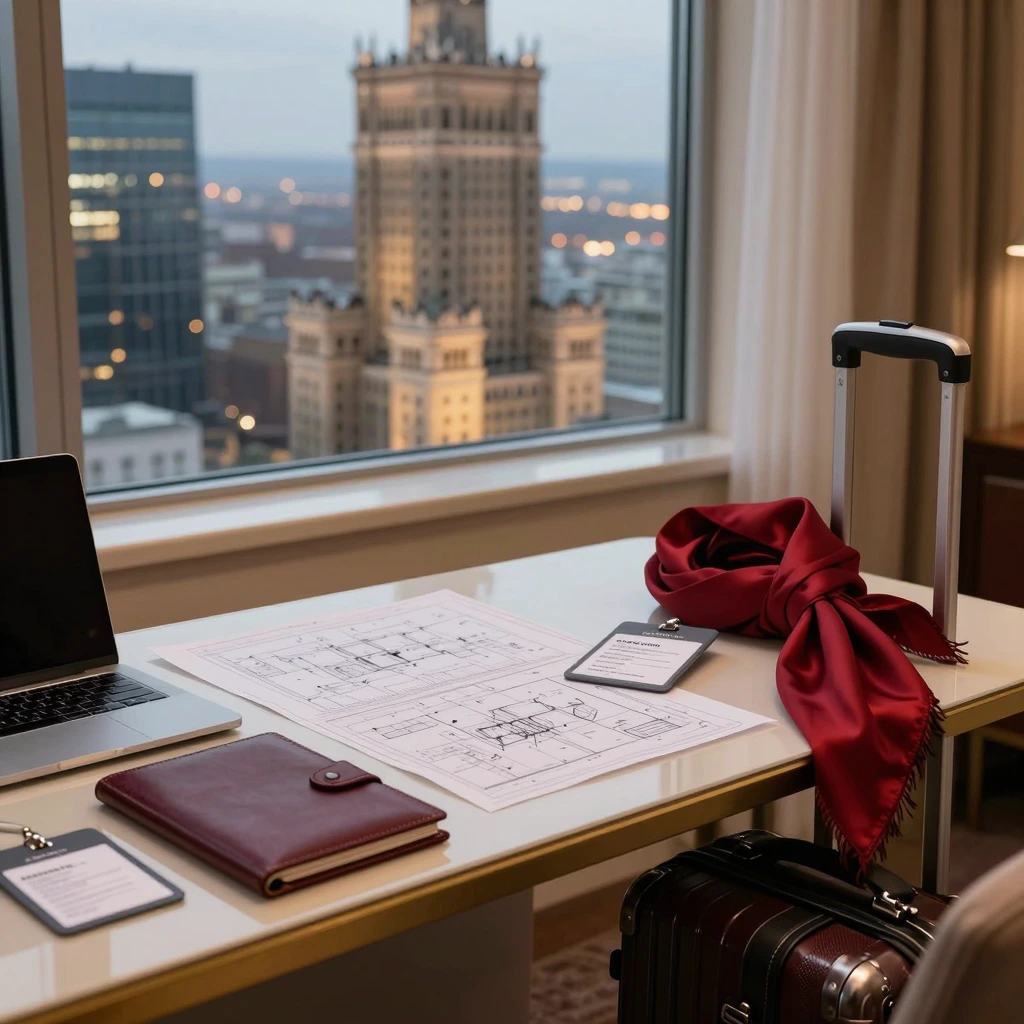
Central and Eastern Europe are becoming more visible in booking data as companies expand supplier networks, open satellite offices and seek competitive operating costs. Warsaw, Prague, Budapest, Bucharest and Sofia benefit from improved connectivity and a growing base of international employers.
Multi-day bookings in these markets are often tied to project work rather than one-off meetings. Consultants, sales teams, auditors and technical specialists may stay several nights while visiting facilities, training local staff or supporting a launch. Travellers exploring one of the region’s largest commercial markets can consult the Poland country directory while planning a broader business trip.
What Business Clients Expect from Multi-Day Reservations
Longer reservations change the priorities of business clients. Price still matters, but convenience and reliability often matter more. A traveller staying three nights needs a location that supports work before breakfast, after meetings and during unexpected schedule changes.
Flexible Schedules Matter More Than Ever
Business clients increasingly look for flexible arrival times, straightforward changes and clear cancellation terms. European business trips are often affected by rail strikes, airport congestion, weather events or last-minute meeting requests. Providers that handle changes quickly can earn repeat corporate demand.
Flexible booking also helps companies keep teams together. Rather than splitting a group across different short reservations, travel managers can secure a multi-day arrangement that covers the full project window. This simplifies invoices, expense reporting and internal approval processes.
Location and Privacy Shape the Booking Decision
For extended stays, proximity to business districts, transport links and meeting venues is essential. Clients may prioritise access to an airport, a central station or a convention centre over the lowest available rate. Privacy, discretion and professional communication are equally relevant, particularly for executives and international guests.
Vienna illustrates this balance well: it is a meeting point for companies working across Western, Central and Eastern Europe. Visitors can explore the Austria country page when considering the wider local market for a longer corporate visit.
Multi-Day Bookings Create Opportunities for European Service Providers
The growing preference for longer stays gives European service providers a chance to move beyond one-night demand. Businesses can offer packages built around several days, clearer availability calendars and services that suit a professional schedule. Consistency is important: corporate clients remember smooth communication, accurate information and dependable arrangements.
Practical Ways to Respond to the Trend
Providers can make multi-day bookings easier by presenting weekly availability, responding quickly to enquiries and explaining what is included before confirmation. Transparent terms reduce uncertainty for corporate bookers, while a thoughtful approach to repeat clients can turn a single visit into regular demand.
It also helps to understand local calendar peaks. Conference weeks, seasonal exhibitions, sporting events and national holidays can transform demand in a matter of days. In Italy, for example, Milan’s fashion, design and finance calendar frequently brings international visitors for extended schedules. The Italy country directory can help users identify the market when preparing a trip.
What the Rise of Multi-Day Bookings Means for Europe
The growth of multi-day bookings among business clients signals a more deliberate style of corporate travel. Companies are trying to get more value from every journey, and travellers are looking for schedules that leave room for meaningful work rather than constant transit. Europe’s dense network of commercial centres gives this model plenty of room to grow.
For travel planners, local providers and business-facing platforms, the message is straightforward: longer stays are becoming a normal part of corporate demand. The strongest results will go to those who combine flexibility, clear planning and an understanding of the specific European city where the business trip takes place.