782. How Closed Introductions Work Around International Business Summits and Private Investment Meetings in Europe

Closed introductions at international business summits are rarely spontaneous. In Europe, where reputation, discretion and local etiquette carry real weight, private networking often develops through trusted circles rather than open guest lists. A dinner after a conference in Paris, a small investor reception in Zurich or an art-focused gathering during a Monaco event can create space for conversations that would never happen in a crowded conference hall. The point is not simply to meet more people, but to meet the right people in an environment where privacy is respected.
Closed Introductions at European Business Summits: The Main Principle
A closed introduction is a contact made through a recommendation, host, adviser, mutual acquaintance or curated guest list. Unlike public networking, it does not rely on handing out dozens of business cards. The process is more selective: organisers consider professional background, communication style, language skills, cultural fit and the purpose of the meeting.
European business summits frequently combine formal schedules with discreet side events. Panels, presentations and official dinners may be public to accredited guests, while private salons, small breakfasts and invitation-only receptions remain limited to selected participants. This is where founders, family office representatives, consultants, collectors and investors often speak more openly.
For travellers moving between several markets, the Europe Catalog can help provide a broader view of available country-level options and local formats. The European approach is not uniform: what feels natural in Milan may seem too direct in Vienna, while a relaxed conversation in Barcelona may require more formality in Luxembourg.
Private Investment Meetings in Europe and the Value of Discretion
Private investment meetings are built around trust. People discussing acquisitions, venture funding, real estate, technology or family wealth do not usually want every conversation to become public. That is why guest selection matters as much as the venue itself.
At a European private meeting, discretion begins before arrival. Invitations may be shared personally, names may be confirmed through an intermediary, and the exact location may be disclosed only shortly before the event. This does not make the gathering secretive in an improper sense; it helps protect the time, privacy and commercial interests of participants.

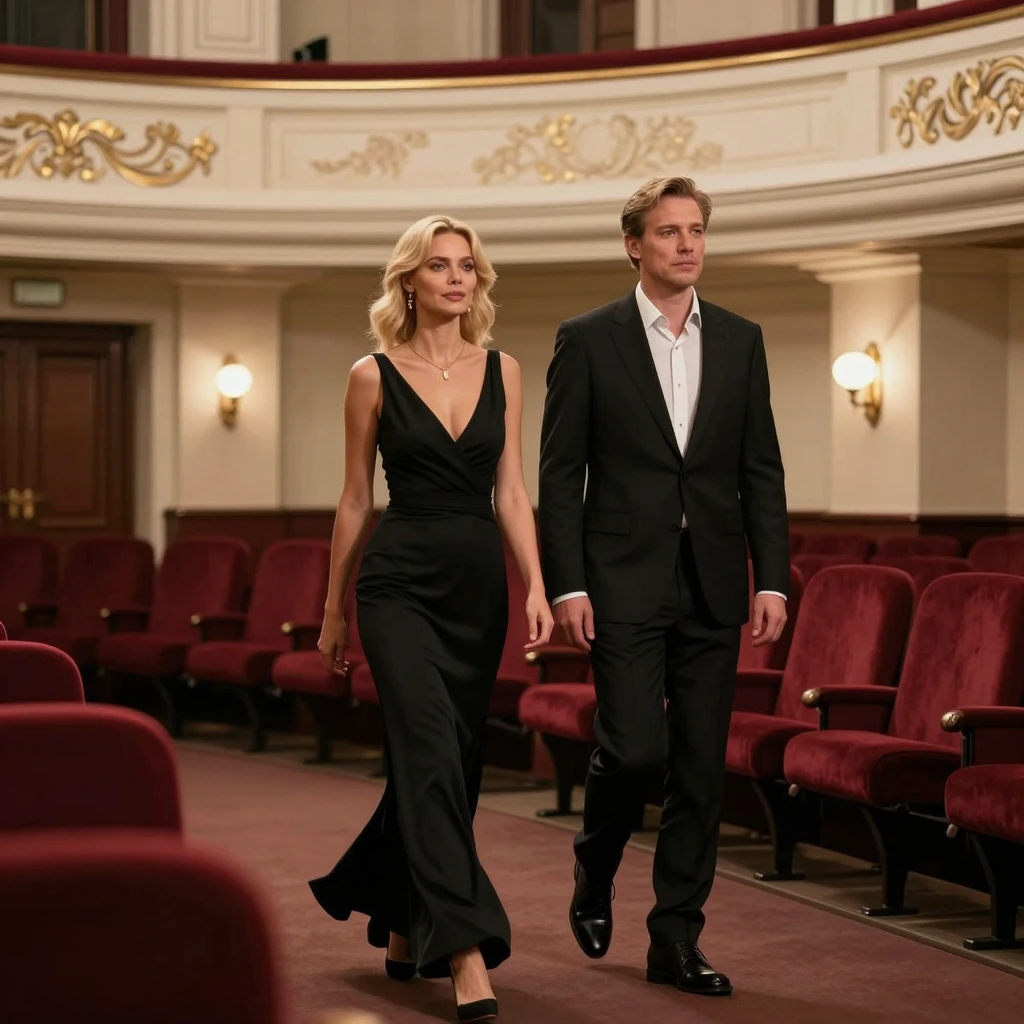
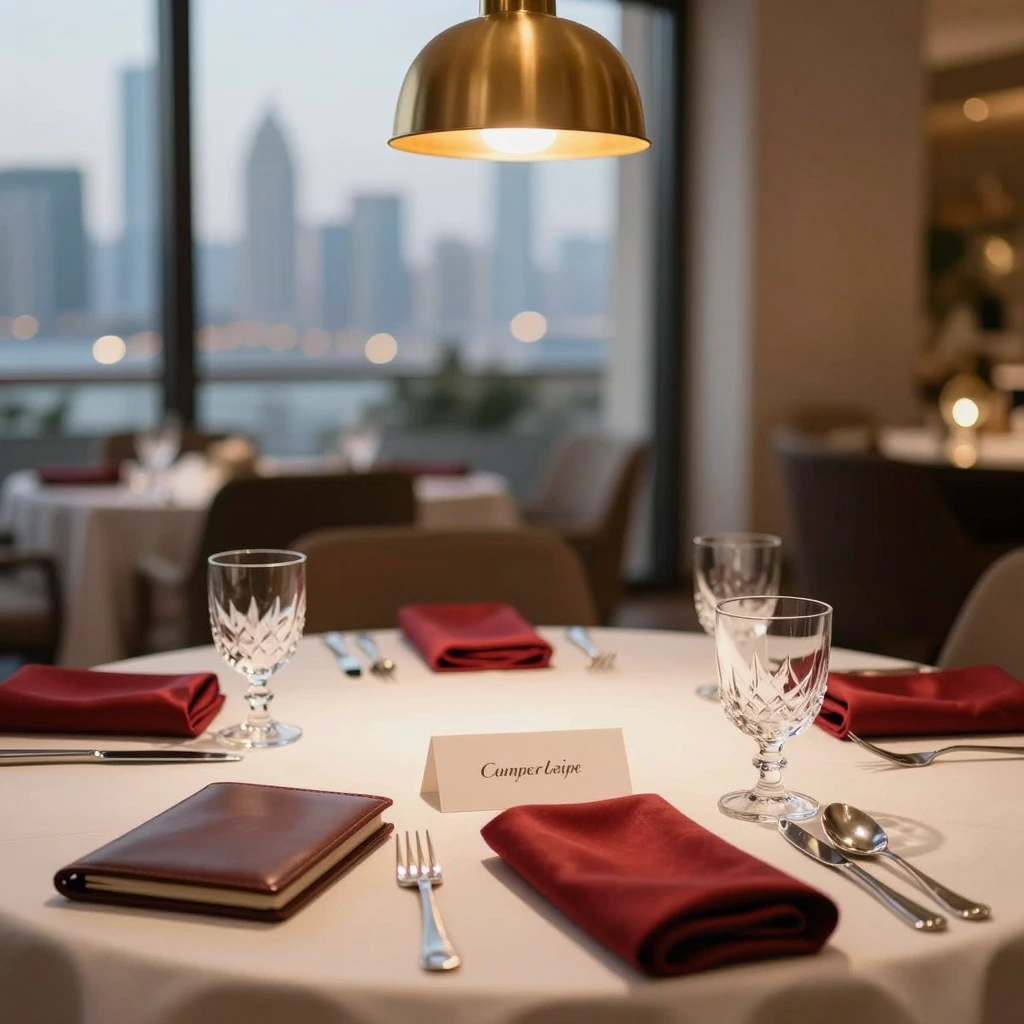
In cities such as London, Paris, Frankfurt, Geneva, Amsterdam and Milan, hosts often choose private dining rooms, hotel lounges, gallery spaces or members’ venues. The surroundings are designed to reduce noise and make conversation easier. A well-prepared guest understands that punctuality, restrained curiosity and polished communication matter more than dramatic self-promotion.
How Closed Networking Works Before the Summit Begins
Successful introductions are usually prepared in advance. A host or assistant may ask about the guest’s professional interests, language preferences, schedule and the type of conversation they are comfortable joining. This keeps the evening balanced and avoids placing strangers into an awkward setting with no shared context.
In Europe, a useful introduction is concise. Instead of listing every achievement, it may mention a person’s industry, current project, city of residence and one relevant common interest. For example, an investor focused on sustainable hospitality may be introduced to a developer attending the same summit, or a visiting executive may join a dinner with local advisers who understand the market.
For international guests, country-specific preparation can make a noticeable difference. Someone attending an event in France may explore the France companion directory when looking for locally informed social companionship, while a visitor in Germany may prefer to review the Germany companion directory for a city-appropriate option. The emphasis should always remain on respectful company, clear expectations and lawful conduct.
European Etiquette at Closed Business and Investment Events
European etiquette is less about rigid rules than about reading the room. At a formal investor dinner, people generally avoid discussing sensitive commercial details before the host opens that subject. At a cultural reception connected to a summit, conversation may begin with the exhibition, cuisine, architecture or travel before moving toward business.
Several habits are valued across many European settings:

Arrive on time, especially in German-speaking countries, the Nordic region and Switzerland. Avoid turning an introduction into a sales pitch. Keep personal questions measured. Respect language differences without pretending to know more than you do. And never assume that an invitation to a private event gives access to every guest’s business affairs.
In southern Europe, a longer social warm-up may be part of building rapport. In northern markets, clarity and restraint can be seen as a sign of professionalism. The country directory is useful for comparing destinations when a trip includes several meetings across Europe rather than one summit in a single city.
Companionship, Presentation and Social Confidence
For some attendees, international summits are demanding social environments. A person may arrive alone in an unfamiliar city, attend several dinners in a row and need to maintain an assured, professional presence. In that context, social companionship can be part of event planning, provided that it is arranged transparently, respectfully and in line with local laws.
A suitable companion for a business-adjacent evening should understand boundaries. They do not need confidential deal information, should not be presented as a business partner if they are not one, and should never be asked to create misleading impressions. The best arrangement is simple: pleasant conversation, appropriate appearance, awareness of venue etiquette and respect for privacy.
In destinations with highly international guest lists, such as Monaco, discreet planning is particularly relevant. Visitors can consult the Monaco companion page before a major event, while those travelling to Italy may use the Italy companion page to consider options suited to a dinner, gala or cultural programme.
Why Small European Gatherings Often Matter More Than Large Conferences
Large summits create visibility, but smaller gatherings create continuity. A keynote may introduce a hundred people to the same topic; a twelve-person dinner can reveal who has practical experience, who shares a long-term view and who is worth meeting again.

This is especially true in European investment circles, where business relationships can develop over years. The person seated next to you at a private reception may not be an immediate client or investor. They may be the adviser, local operator or mutual connection who makes a future conversation possible. Patience has commercial value.
Closed introductions also reduce the pressure to perform. Guests can speak with more focus, hosts can protect the tone of the event, and meetings are less likely to be interrupted by people seeking quick access to influential attendees. When handled well, exclusivity is not about status; it is about creating a setting where everyone knows why they are there.
Responsible Participation in Closed Introductions
Privacy should never mean ignoring basic standards. Guests should respect consent, personal boundaries, venue policies and local regulations. Confidential information heard during a private meeting should stay private unless permission is clearly given. Photography, recording and public posting should be avoided unless the host confirms otherwise.
For professionals attending cross-border events, the strongest reputation is built through reliability. Confirm plans clearly, dress for the setting, treat staff courteously and leave room for others to speak. These details may seem small, yet they are often remembered long after the summit programme ends.
Closed Acquaintances in Europe: A Thoughtful Way to Build Better Connections
Closed acquaintances around international business summits and private investment meetings are part of Europe’s relationship-driven professional culture. They work best when the goal is not access for its own sake, but meaningful conversation in the right setting. Whether the occasion is a private dinner in Paris, an investment forum in Frankfurt or a discreet reception in Monaco, preparation and respect remain the foundation.
The most valuable introduction is rarely the loudest one. It is the one that feels natural, relevant and well timed—and leaves both people interested in continuing the conversation after the event is over.