776. How the Support Market Forms Around Private Gastronomic Dinners, Cigar Clubs and Intimate Spaces in Europe

Across Europe, private gastronomic dinners, members-only cigar clubs and intimate event spaces are no longer limited to luxury hotels or old-fashioned gentlemen’s circles. They have become a flexible premium market built around discretion, atmosphere and carefully selected guests. The support market behind these events includes chefs, sommeliers, hosts, drivers, venue managers, security teams, stylists, photographers and social companions. Its growth is shaped by local laws, cultural habits and the expectations of an international audience.
Private Gastronomic Dinners in Europe: Why Demand Is Growing
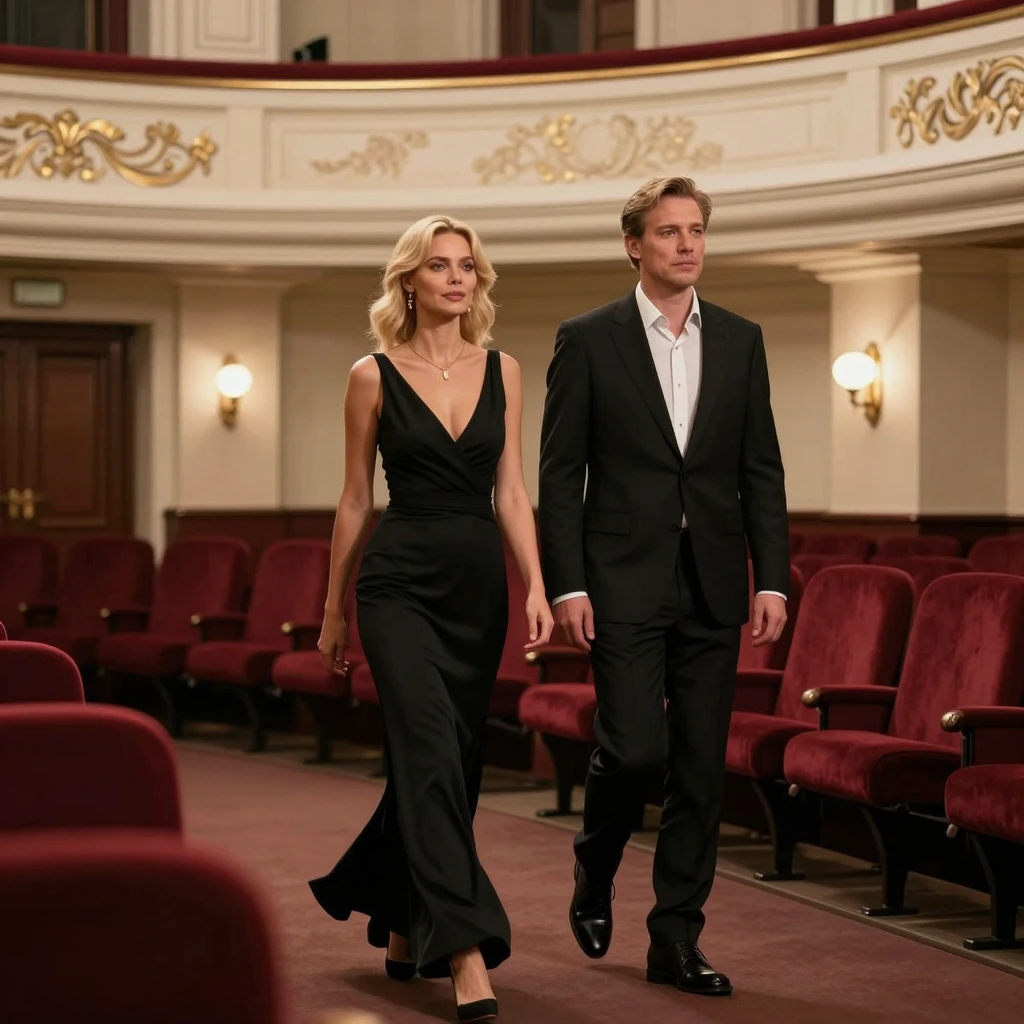
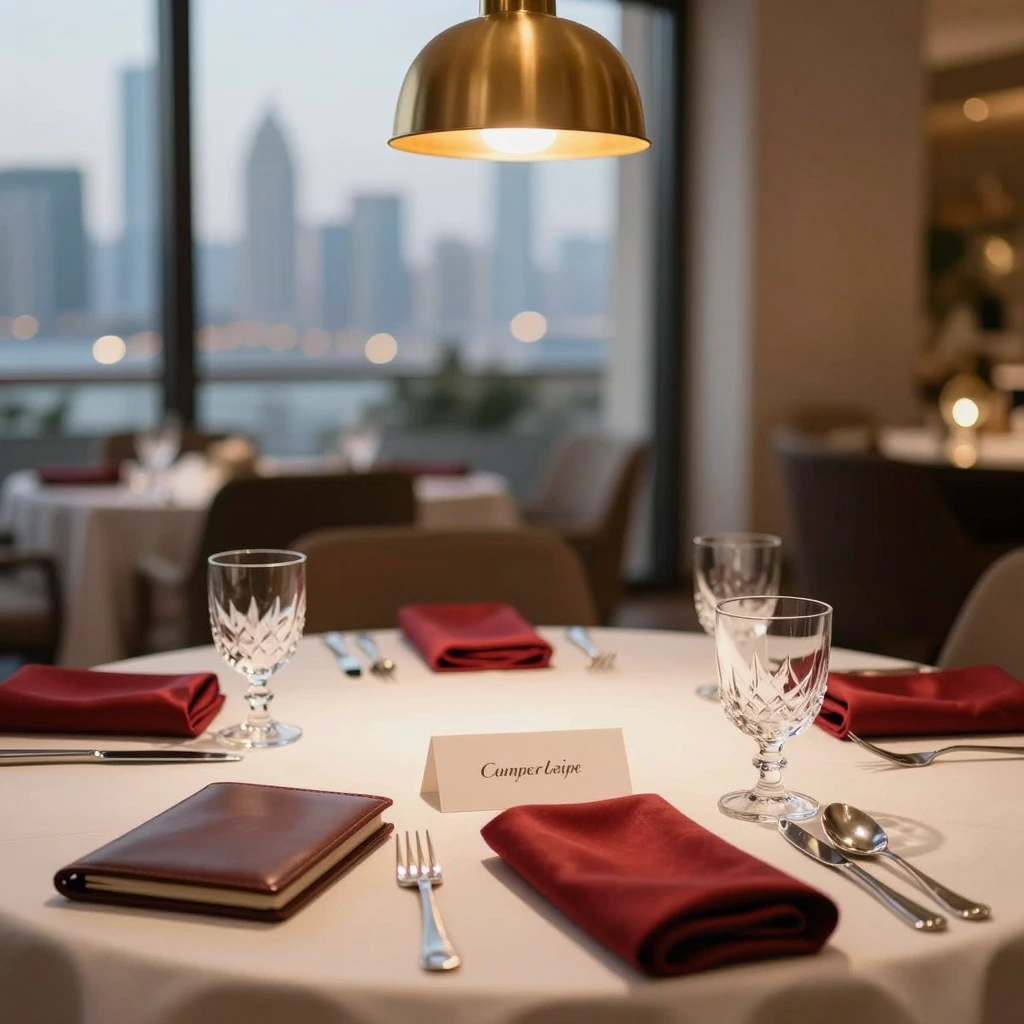
A private gastronomic dinner is increasingly seen as an alternative to a loud restaurant reservation or a standard corporate reception. In Paris, Milan, Vienna, Prague and Barcelona, small groups choose chef-led evenings in private apartments, boutique hotels, wine cellars or converted galleries. The value lies not only in the menu, but in the sense that every detail has been curated for a particular group.
The market around private gastronomic dinners develops through specialised intermediaries. A guest may need a private chef with knowledge of regional cuisine, a sommelier who can source rare bottles, a multilingual host, elegant transport and a discreet coordinator who keeps the evening moving naturally. European clients also expect clear timing, transparent service boundaries and respect for venue rules.
In major cities, this creates work for independent hospitality professionals who prefer small-format events over large banquets. For organisers, the challenge is not simply finding suppliers. It is matching personalities, language skills and cultural expectations. A dinner for French investors in Brussels will have a different rhythm from a relaxed Italian evening in Florence or a formal business gathering in Vienna.
European City Markets and Local Expectations
Each country adds its own character to the private dinner economy. In France, guests often focus on culinary authenticity, wine knowledge and polished conversation. Those planning an evening in Paris, Cannes or Lyon can begin with the France companion directory when looking for local social support in a premium setting.

Italy places equal weight on food, setting and personal warmth. Private dinners in Rome, Milan and Venice frequently extend into late-night conversation, a tasting experience or a private cultural programme. For city-specific planning, the Italy country page helps visitors explore regional options.
In Austria and Germany, punctuality, privacy and professional presentation usually influence purchasing decisions. Vienna remains particularly strong for salon-style dinners, classical music evenings and refined hosting. The Austria service page can be useful for travellers who want to understand the local premium companionship landscape before arranging a private event.
Cigar Clubs and the Premium Hospitality Ecosystem
Cigar clubs operate differently across Europe because smoking regulations vary sharply by country, city and venue type. In many markets, a cigar evening is not simply about tobacco. It is a members’ ritual combining business networking, spirits tasting, conversation and a controlled private environment. This is why the surrounding service economy is so important.
A successful cigar club may rely on a humidor specialist, a spirits adviser, front-of-house staff, a guest-list manager, transport coordination and venue compliance expertise. In places with strict indoor smoking rules, organisers often use licensed lounges, ventilated private rooms or outdoor terraces. The most durable concepts are those that treat legal compliance as part of the guest experience rather than an inconvenient afterthought.
Discretion, Guest Curation and Social Comfort
Private cigar clubs often attract executives, collectors, entrepreneurs and visitors who value calm conversation over crowded nightlife. As a result, guest curation has become a standalone service. Hosts and coordinators need to understand etiquette, privacy expectations and the difference between an intimate gathering and an overly formal reception.

In cities such as Monaco, Geneva, Amsterdam and Copenhagen, discretion can be more valuable than spectacle. Guests may request a table of people who share interests in art, finance, travel, watches or gastronomy. The support market responds with concierge services, event hosts and carefully screened social companions, always within local law and venue policies.
Compliance Matters in European Cigar Club Events
European organisers should never treat private status as a loophole. Smoking restrictions, alcohol licensing, age verification, fire safety, noise limits and data privacy rules still apply. A smaller venue may feel exclusive, but it also requires better preparation. Professional event operators confirm guest numbers, transport plans and venue permissions well before invitations are sent.
Intimate Spaces as a New Luxury Event Format
Intimate spaces are reshaping the private events market. These may include penthouse salons, private dining rooms, art studios, boutique suites, hidden courtyards and low-capacity lounges. Their appeal is simple: guests can talk without competing with a large crowd, while hosts can create a more personal setting.
For European travellers, intimate spaces are especially attractive because they offer a local experience without the impersonality of a large venue. A dinner in a Lisbon townhouse, a tasting in a Budapest cellar or a private salon in Prague can feel more memorable than a conventional VIP package. The wider Europe catalog gives visitors a practical starting point for exploring country-based options across the continent.
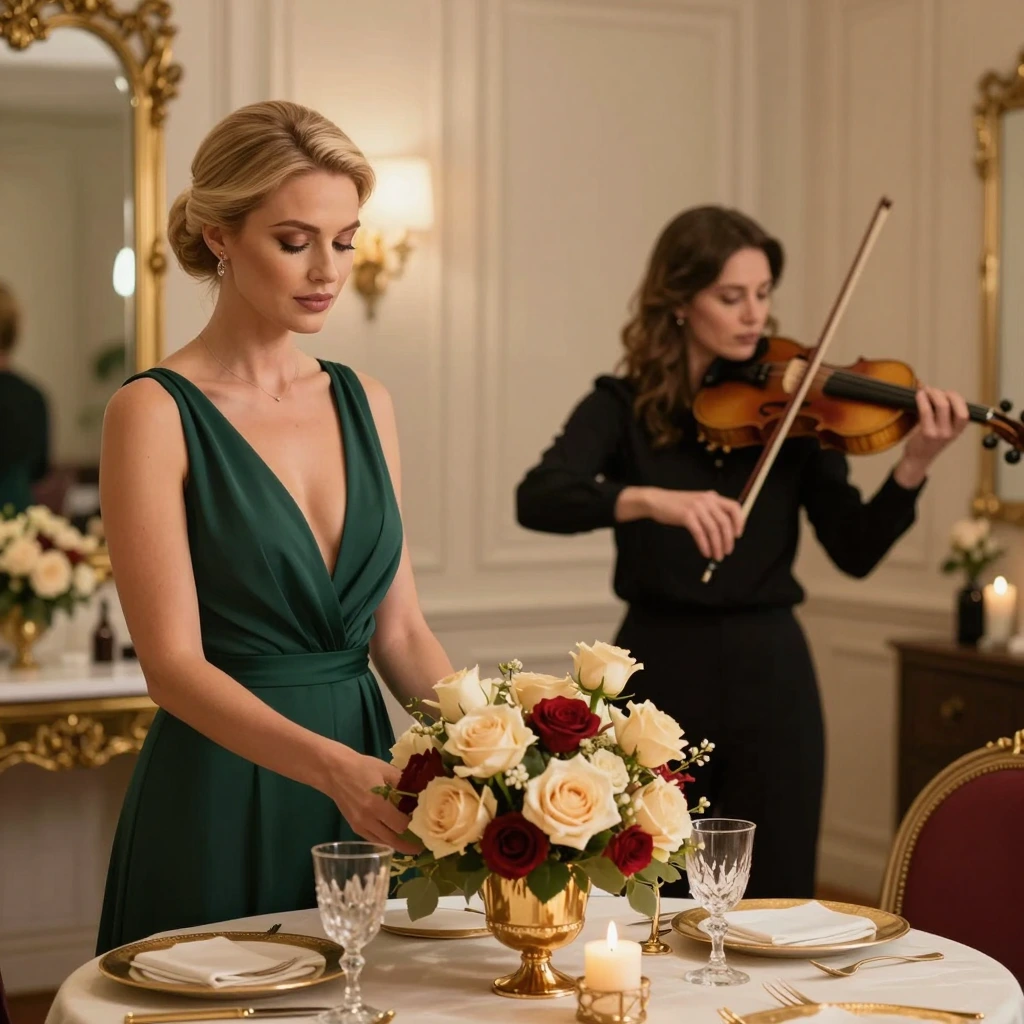
The support market around intimate spaces is broad. It includes interior stylists, florists, table designers, live musicians, personal shoppers, chauffeurs, interpreters and experienced hosts. In some cities, event planners now build packages around a single evening: arrival transfer, private aperitif, dinner, music, late-night lounge access and safe departure.
How the Market Builds Trust Around Private Events
Trust is the currency of private gastronomic dinners and cigar clubs. High-spending guests rarely choose services based on price alone. They look for professionalism, local knowledge, responsive communication and the confidence that personal details will be handled respectfully.
For providers, reputation grows through repeat bookings and referrals rather than mass advertising. A chef who understands dietary preferences, a driver who arrives exactly on time, or a host who knows how to welcome international guests without forcing conversation can become an essential part of the evening. In a market built on privacy, reliability is often more persuasive than visibility.
Country-level research also helps organisers avoid cultural mistakes. The country overview is useful when comparing destination expectations, while local pages can clarify the character of individual European markets. A well-planned event in Europe should feel effortless to guests, even when a large network of professionals is working quietly behind the scenes.
The Future of Private Gastronomic Dinners and Cigar Clubs
The European market will continue moving toward smaller, more personalised formats. Guests increasingly want meaningful social time, excellent food and carefully chosen company instead of generic luxury. Private gastronomic dinners, compliant cigar club gatherings and intimate spaces answer that demand by combining hospitality with discretion.
The winning operators will be those who understand that exclusivity is not created by velvet ropes alone. It comes from thoughtful guest selection, local expertise, legal awareness and an ability to make every person at the table feel comfortable. That is how a niche evening becomes a repeatable premium experience—and how the support market around it keeps expanding across Europe.