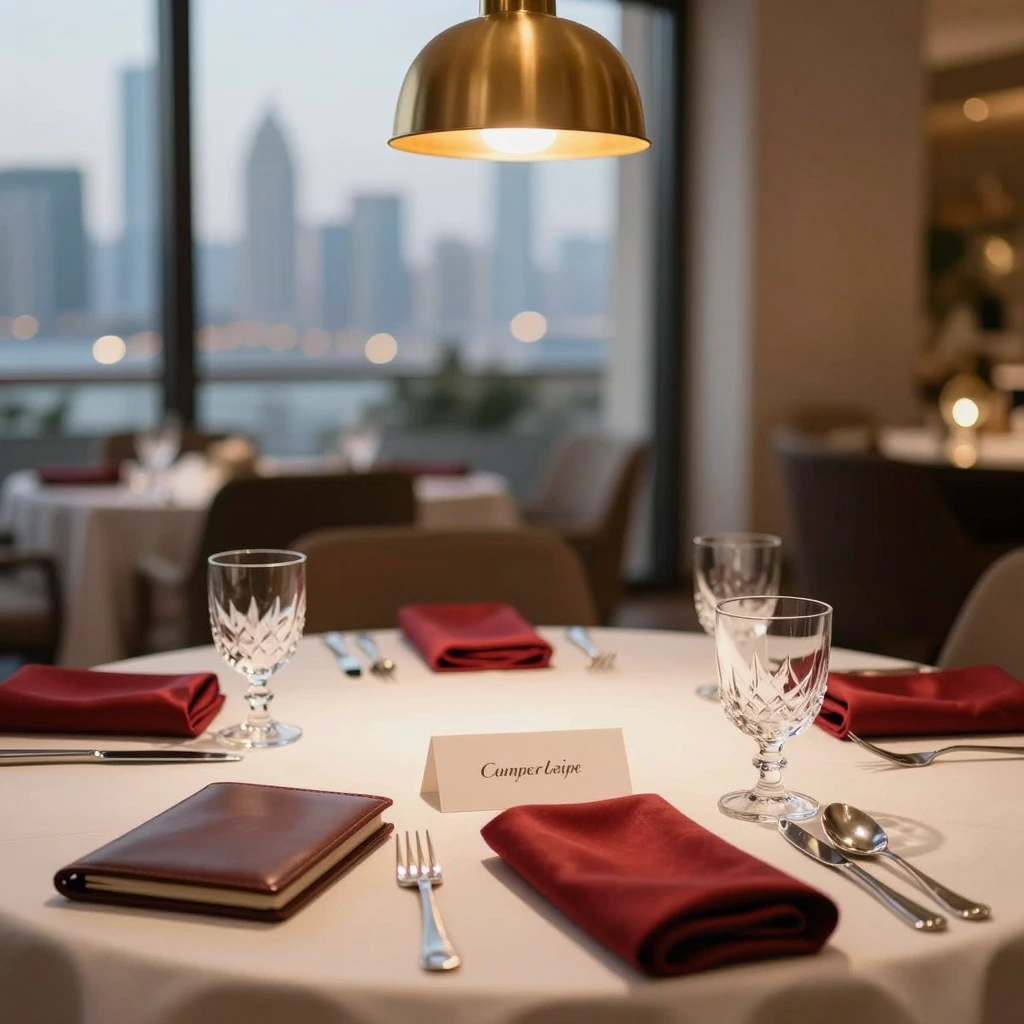
How the European Villa Companion Market Works Beyond Hotel Stays

Renting a villa in Europe creates a very different travel rhythm from staying in a hotel. There is no front desk available around the clock, no concierge desk downstairs, and often no ready-made social setting. This is where the villa companion market has grown: a broad ecosystem of local hosts, lifestyle assistants, drivers, interpreters, event planners and independent companions who help visitors make a private stay feel smooth, social and well organised.
Why villa renters in Europe look for local accompaniment
A villa holiday is built around privacy, space and flexibility. Guests may be staying on the Amalfi Coast, in the hills of Provence, on a Greek island or near a Croatian marina. The upside is obvious: private pools, sea views, room for friends and freedom from hotel schedules. The trade-off is that many everyday details must be arranged independently.
The market for villa accompaniment responds to this gap. Clients may need someone who knows which beach clubs accept reservations, how local taxi rules work, where to buy quality food late in the evening, or how to communicate with a property manager. In many European destinations, a trusted local contact saves time and prevents small issues from becoming holiday interruptions.
For travellers comparing destinations, the Europe Catalog gives a useful overview of country-specific options. Expectations differ sharply between a summer villa in Mykonos and a winter chalet-style property in Austria, so the support market is never truly one-size-fits-all.
Villa companion services: what the market actually includes
In practice, “accompaniment” can cover several legal and lifestyle-oriented services. The most established part of the market focuses on hospitality support rather than a standard hotel-style package. Villa guests tend to select individual services according to the length of stay, group size and location.

Local hosts and social companions for private stays
Some travellers want a local person to join them for a dinner, an art opening, a boat day or a city walk. A social companion can make a solo trip feel less anonymous and help a group navigate a destination with more confidence. Language skills, cultural awareness and reliability are often more valuable than a long list of generic promises.
For example, guests visiting the French Riviera may be interested in regional etiquette, restaurant timing and local event calendars. Those browsing companionship options in France usually value discretion and polished communication, especially during Cannes, Monaco events or high-season villa rentals around Saint-Tropez.
Concierge-style coordination for villa guests
Villa support also includes practical coordination: airport transfers, grocery delivery, private chefs, table reservations, wellness appointments, babysitting referrals and excursion planning. These services are sometimes arranged by villa agencies, but independent local coordinators remain important in destinations where properties are scattered across rural areas or islands.
The strongest providers do not merely sell a list of contacts. They understand driving distances, seasonal road closures, marina schedules, restaurant booking habits and local licensing requirements. That knowledge is particularly relevant in regions where a villa can be beautiful but remote.
Event and nightlife guidance without hotel infrastructure
Hotels naturally create public spaces: bars, lounges, restaurants and reception teams. Villa renters build their own evening plans. This encourages demand for local guidance around dinners, cultural events, clubs, beach venues and private gatherings. The best arrangements are transparent about timing, transport, costs and personal boundaries from the start.
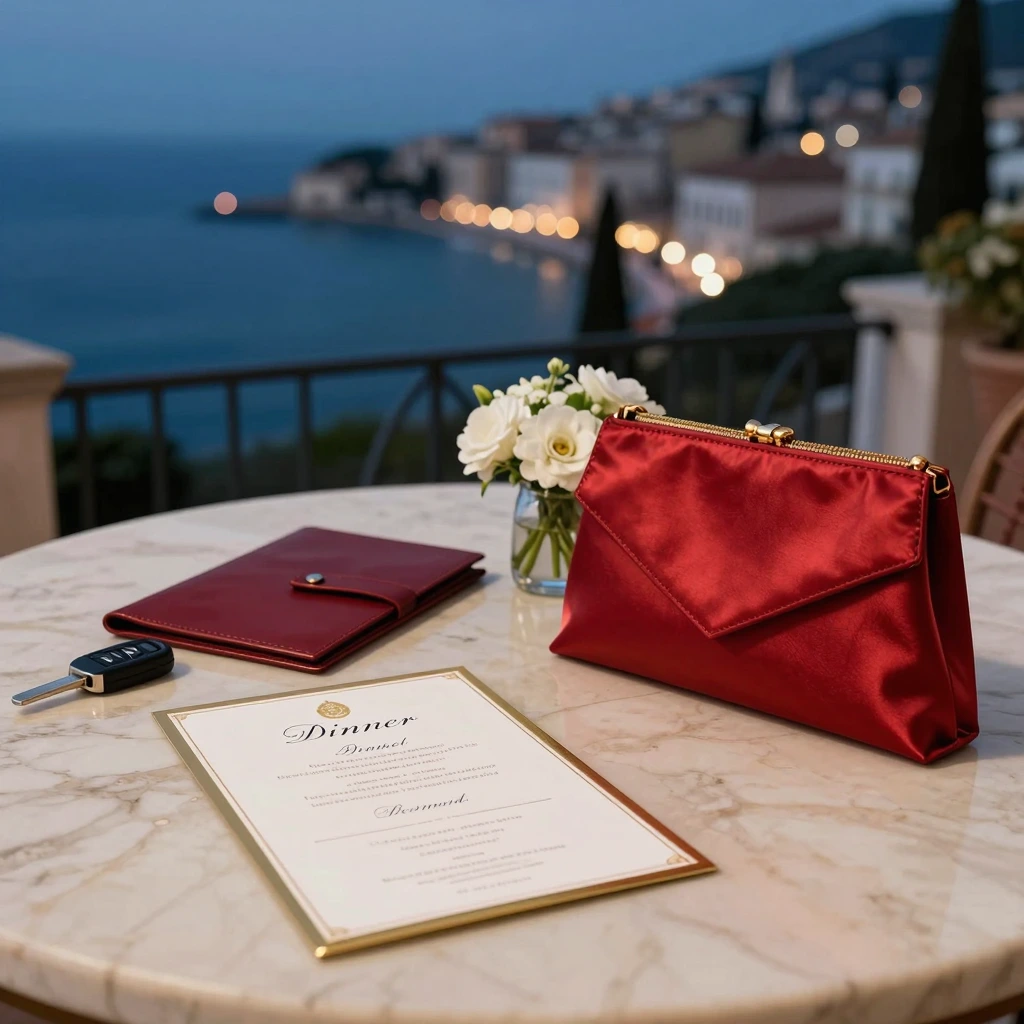
European villa destinations shape the companion market
Europe is not a single travel market. Demand changes with local culture, tourism density, regulations and the profile of villa guests. Mediterranean destinations see strong summer activity, while Alpine and city-adjacent properties can generate demand throughout the year.
Italy, Greece and Croatia: seasonal villa accompaniment
Italy remains a major market because villa travel is spread across several distinct regions: Tuscany, Lake Como, Sardinia, Puglia, Sicily and the Amalfi Coast. A local contact may be needed for countryside logistics in Tuscany, while coastal stays often centre on boats, restaurants and beach access. Travellers planning a tailored stay can explore local companionship in Italy alongside their wider villa itinerary.
In Greece, island geography changes everything. Ferry timings, vehicle availability and venue reservations can be unpredictable in July and August. Villa guests in Mykonos, Paros, Santorini or Crete often prioritise responsive local coordination over formal luxury branding.
Croatia has its own pattern: Adriatic villas attract groups who combine old-town dining, island hopping and yacht charters. A companion or host with knowledge of Split, Hvar, Dubrovnik and lesser-known coastal towns can provide the kind of practical context that an online map cannot offer. The Croatia local companion directory is relevant for visitors looking at regional availability before finalising plans.
France, Portugal and Spain-style Atlantic travel patterns
Although villa guests often associate Europe with the Mediterranean, Atlantic-facing destinations are equally important. Southern France combines countryside estates with glamorous coastal resort towns. Portugal attracts visitors to the Algarve, Comporta and Madeira, where driving, dining hours and villa location can influence every daily plan.

Portugal’s market is especially appealing to travellers who prefer relaxed, design-led stays over formal hotel luxury. In this setting, accompaniment may be as simple as a locally informed dinner host, translator or guide for a wine region day trip. See Portugal companion services for country-level availability and destination context.
What villa renters should check before arranging support
The private nature of a villa does not remove the need for sensible planning. In fact, it makes clear communication more important. Guests should confirm what service is being offered, where meetings take place, how transportation is handled, what fees include and whether the arrangement complies with local rules.
Privacy, consent and clear expectations
European villa travel often involves high-value properties and personal data, so privacy matters on both sides. Use direct, respectful communication. Agree on schedules, guest numbers, event details and cancellation terms before arrival. No legitimate service should depend on pressure, ambiguity or hidden conditions.
Local laws and property rules
Regulations differ by country and sometimes by municipality. A villa may have restrictions on parties, visitors, amplified music, parking or commercial activity. Guests should check the rental agreement and respect neighbourhood rules, particularly in residential coastal areas and historic villages.
The future of accompaniment for European villa travel
The market is moving away from generic luxury language and toward specialised local expertise. Villa renters increasingly want a flexible network: someone for airport arrival, another person for a food tour, a reliable driver for evening plans and a discreet host who understands the destination.
This shift benefits travellers who value independence but do not want to manage every detail alone. Whether the stay is a week in Tuscany, a month in the Algarve or a long weekend on the Adriatic, the European villa companion market works best when it is treated as practical, respectful and locally informed support for a more personal kind of travel.