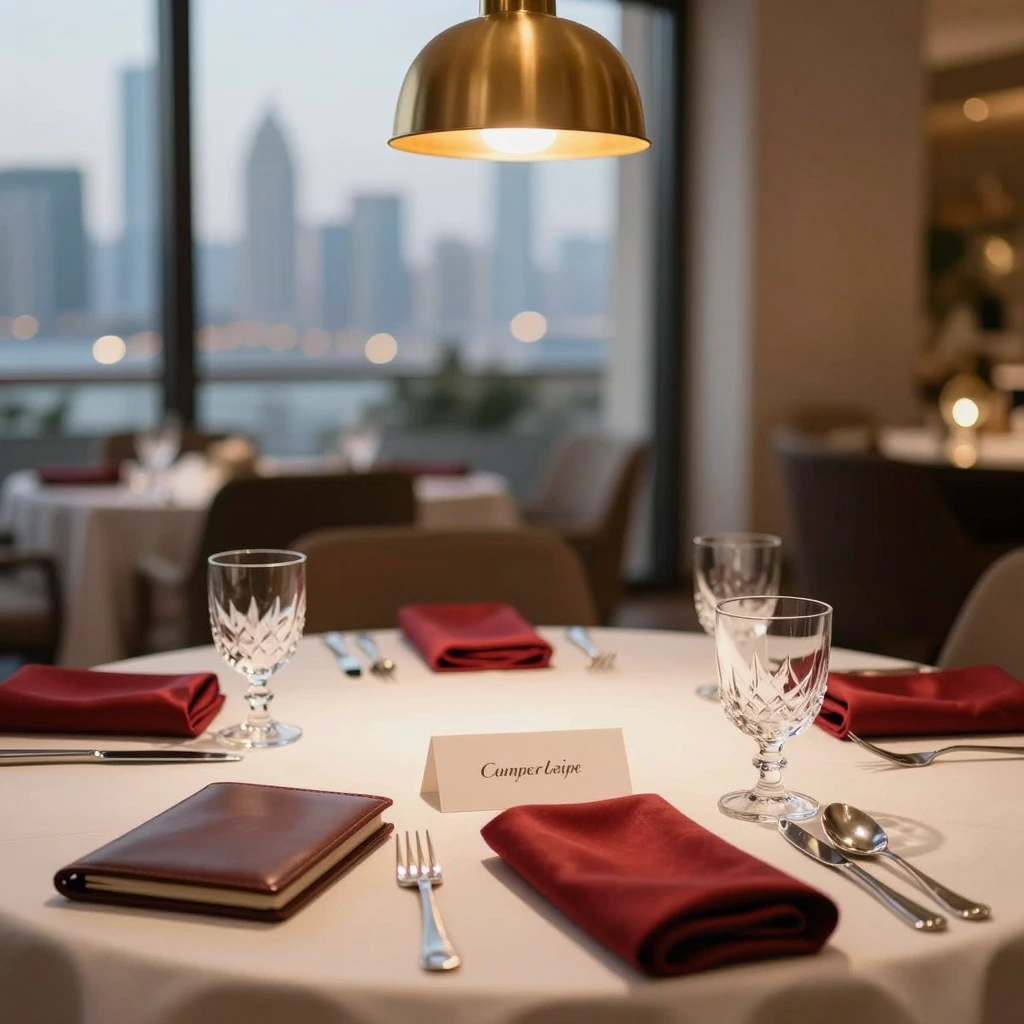
How Dinner-First Meetings Work When the Evening Is Decided Later

A dinner-first meeting is exactly what it sounds like: a client books time for dinner, conversation, and shared company without trying to script every hour in advance. The idea has become popular across Europe because it gives both people space to see whether the atmosphere feels natural. Instead of treating a meeting like a fixed itinerary, the evening begins with a well-chosen table, good communication, and a clear understanding that any next step is discussed respectfully in the moment.
Dinner-First Meetings in Europe: Why the Format Feels More Natural
European cities are made for evenings that unfold gradually. A reservation at a small wine bar in Paris, a seafood restaurant in Lisbon, or a modern bistro in Vienna can become the starting point for a relaxed night out. The client knows where the meeting begins, while the companion knows the expected schedule, dress code, and practical details before arriving.
The main advantage of a dinner-first arrangement is flexibility without confusion. Dinner is the confirmed plan. Everything after it remains optional and depends on mutual interest, time, local opening hours, and personal comfort. A walk through the city, a cocktail in a hotel lounge, a concert, or a simple goodnight can all be perfectly valid outcomes.

For travellers comparing destinations, the Europe catalog helps show how different cities shape the mood of an evening. A late dinner in Madrid has a different rhythm from an early reservation in Copenhagen, and understanding those local habits makes planning smoother.
How to Book a Dinner Meeting Without Awkward Expectations
A successful booking starts with direct but polite information. Share the date, approximate duration, restaurant area, preferred cuisine, and whether the plan is strictly dinner or may continue if both people wish. This approach avoids vague messages and gives the other person enough context to decide whether the invitation suits them.
Clear Details Create a Better Dinner Experience
In most European capitals, restaurant reservations should be made in advance, especially on Thursday through Saturday. Choose a public venue with an easy address, good transport connections, and a table suited to conversation. Loud clubs and rushed fast-food locations rarely create the right setting for a first dinner meeting.

It is also sensible to agree on practical boundaries before meeting. Confirm the meeting time, who is handling the reservation, the expected length of dinner, and the preferred way to communicate if plans change. These small details make the evening feel organised rather than transactional.
Clients looking at country-specific options can browse companions in France or explore dinner company in Italy when planning travel around major cities and regional destinations.
What Happens After Dinner Is Always a Mutual Decision
The key principle of dinner-first meetings is simple: no one owes an extension to the evening because a reservation was made. Dinner is not a promise of anything beyond dinner. If there is easy conversation and both people want to continue, they can discuss an additional plan. If not, the meeting can end warmly after dessert.

This makes the format especially appealing for people who value discretion and a calmer pace. There is no need to force chemistry through messages before meeting in person. A real conversation across the table often says more than dozens of chats.
Possible Ways the Evening Can Continue
When both people are comfortable, the next part of the night can stay entirely social. Depending on the city, that might mean visiting a jazz bar, taking a riverside walk, attending an exhibition opening, or choosing a quieter second venue for drinks. In cities with strong nightlife, it helps to have a loose idea of nearby options without treating them as an obligation.
For example, visitors booking social company in Austria may plan around Vienna’s cafés, concert halls, and elegant hotel bars. Those arranging a trip to the Iberian Peninsula can also review Portugal companion listings before choosing a city and date.
European Etiquette for Dinner-First Arrangements
Local customs matter. In southern Europe, dinners often begin later and naturally run longer. In Northern and Central European cities, punctuality and a clearly stated plan are usually appreciated. In every country, courtesy remains universal: arrive on time, respect personal boundaries, avoid excessive drinking, and never assume that a pleasant dinner automatically changes the terms of the meeting.
Privacy, Consent, and Good Communication
Discretion begins before the reservation. Do not share private details, photographs, or conversation outside the meeting. Ask before taking pictures, posting locations, or inviting anyone else to join. If either person feels uncomfortable, changing the plan or ending the evening should be easy and drama-free.
A dinner-first meeting works best when it is treated as an opportunity for enjoyable company rather than a guaranteed storyline. Book a place worth visiting, communicate with maturity, and let the evening develop at a pace that feels right for both people. That is the difference between a rigid arrangement and a genuinely memorable European night out.