657. How Demand for Companionship Changes with the Time of Day and the Rhythm of European Cities

Demand for companionship in Europe is rarely constant. It follows the tempo of business districts, airport arrivals, cultural calendars, restaurant hours and nightlife. In a city where meetings start early and trains run late, the most requested time slots can shift dramatically from one neighbourhood to another. Understanding these patterns helps clients plan ahead and helps providers organise availability around the real rhythm of urban life.
Morning demand for companionship in Europe
Mornings are usually quieter than evenings, but they are far from empty. In cities such as Zurich, Vienna, Frankfurt and Copenhagen, early demand often comes from business travellers with limited schedules. A breakfast meeting, a museum visit before a conference or company during a short stopover can create a focused morning request.
This time of day is especially relevant near financial centres, exhibition venues and major hotels. Visitors arriving on early flights may have several free hours before check-in or meetings. For travellers planning a route through several destinations, the Europe Catalog offers a practical starting point for exploring available country pages.
Business hours and daytime escort demand
From late morning through the afternoon, demand for escort services often follows the corporate schedule. Lunch appointments, trade fairs, private city tours and professional social events create a different type of request than late-night entertainment. Daytime bookings are common in capitals with a strong international business presence, including Brussels, Berlin, Paris and Amsterdam.

In Germany, exhibition periods can quickly reshape the usual weekly pattern. During large fairs in Frankfurt, Munich or Berlin, availability may tighten well before the event begins. Those travelling for work can review options through the escort-Germany page and account for the extra demand created by conferences and seasonal business travel.
Evening companionship demand and the city after work
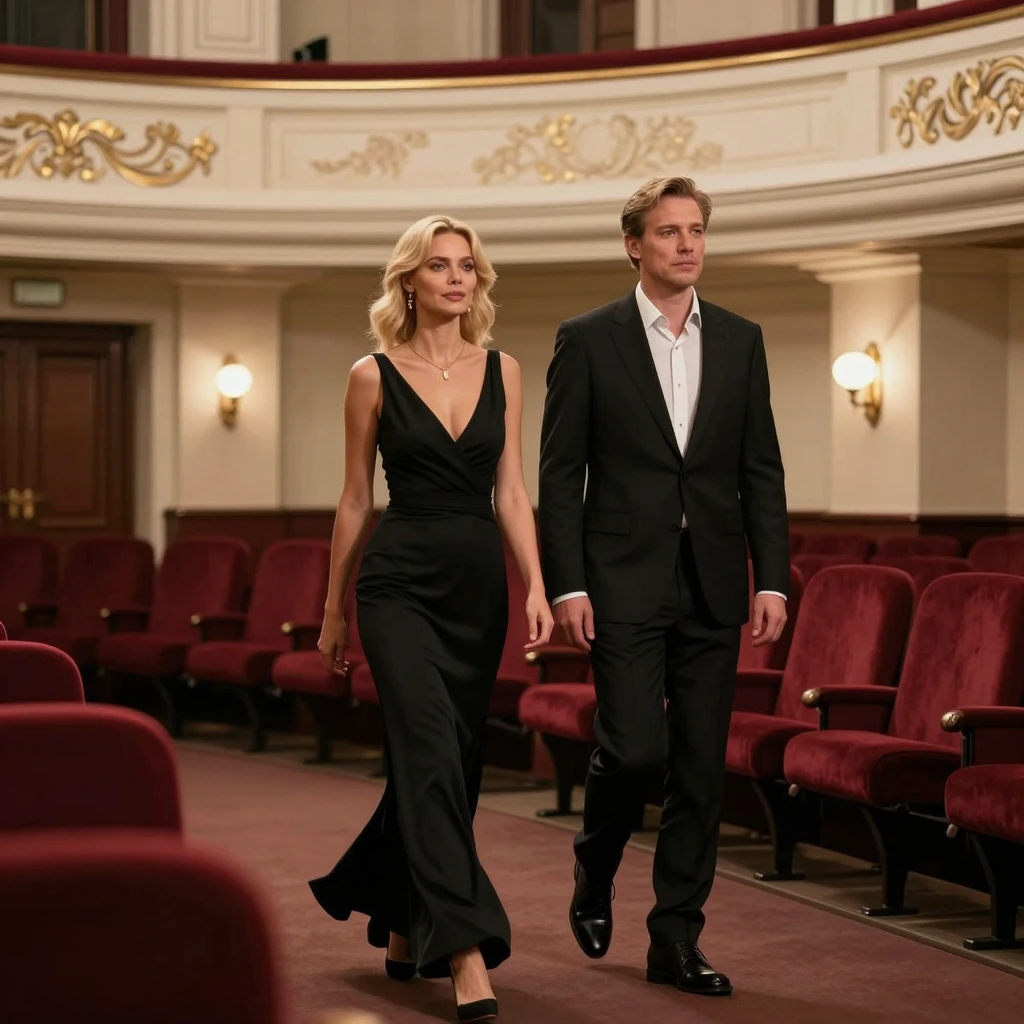
The sharpest rise in demand usually begins after office hours. Between 18:00 and 22:00, European cities move from work mode to social mode: restaurants fill up, theatres open their doors, hotel bars become busier and visitors look for company after a long day. This is the prime window for dinner dates, cultural plans and relaxed conversation in a social setting.
The shape of the evening depends on the city. Paris and Milan have a strong dining culture, while London, Dublin and Amsterdam often see a later transition into bars and live venues. In Mediterranean destinations, dinner starts later, so demand may peak closer to 21:00 or 22:00 rather than immediately after work.
Weekend rhythm in major European destinations
Fridays and Saturdays bring a broader range of requests. Leisure travellers arrive for short city breaks, local residents have more flexible plans, and late-night venues extend the social timetable. In Prague, Budapest, Barcelona and Lisbon, weekend demand can remain active well beyond midnight, especially during spring and summer.

Seasonality matters as much as the clock. A warm weekend, a major concert or a football match can change demand in a single evening. For Central European trips, the escort-Czech Republic page can be useful when planning around Prague’s busy tourist weekends, festivals and conference seasons.
How local culture changes the best booking time
Europe cannot be treated as one uniform market. Northern cities often favour earlier plans and structured schedules, while Southern European urban life begins later and lasts longer. In Stockholm, Oslo or Helsinki, a dinner plan may start early, particularly outside the summer season. In Rome, Athens or Lisbon, the same type of evening may unfold at a much slower pace and finish considerably later.
Tourist-heavy locations also react to flight schedules. Coastal cities, island destinations and capitals with major international airports can experience small spikes around arrival waves. In Malta, for example, demand is shaped by holiday periods, cruises, weekend flights and seasonal events. Visitors can browse the escort-Malta page when arranging plans around a short stay on the island.
Late-night demand and nightlife districts
After 23:00, the market becomes more concentrated around nightlife areas, premium hotels and entertainment districts. Demand can increase quickly after concerts, club events, private celebrations or international sporting fixtures. At the same time, last-minute availability is less predictable, particularly on Friday and Saturday nights.
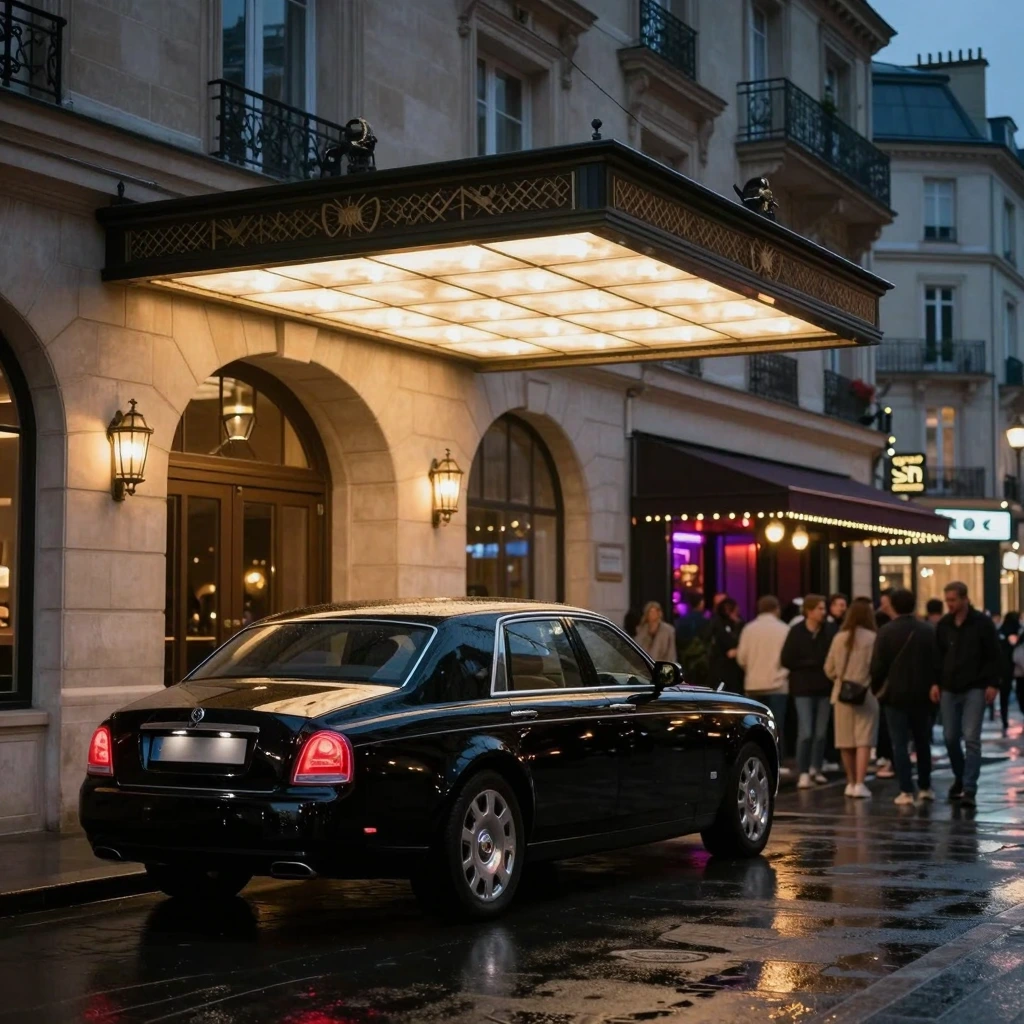
Late bookings work best when expectations are clear: location, duration, preferred time and the nature of the social plan should be agreed in advance. A city’s public transport schedule, traffic conditions and distance between districts can matter as much as the event itself. In cities with sprawling nightlife, travel time may turn a simple evening plan into a logistical challenge.
Planning companionship around Europe’s urban rhythm
The most reliable approach is to book according to the purpose of the visit rather than the clock alone. Business travellers should consider morning or early-evening availability. Holidaymakers may prefer later dining hours and weekend slots. Visitors attending exhibitions, fashion weeks, concerts or sporting events should plan earlier than usual because demand rises alongside hotel occupancy.
Country-specific timing also helps avoid unrealistic expectations. For example, the escort-Italy page may suit travellers planning around late dinners and cultural evenings, while the Country directory makes it easier to compare destinations before building a multi-city itinerary.
Why advance planning matters
Demand for companionship changes with the city’s mood: commuter rushes, office calendars, tourist seasons, weather and local nightlife all play a role. Early planning offers more choice, especially during weekends and major events. A flexible schedule can also reveal quieter daytime windows that are often overlooked. In Europe’s fast-moving cities, the best time is not always the busiest one—it is the time that fits the pace of the trip.