607. How Informal Selection of Women for Yacht Companionship in the Persian Gulf Works: A European Safety Perspective
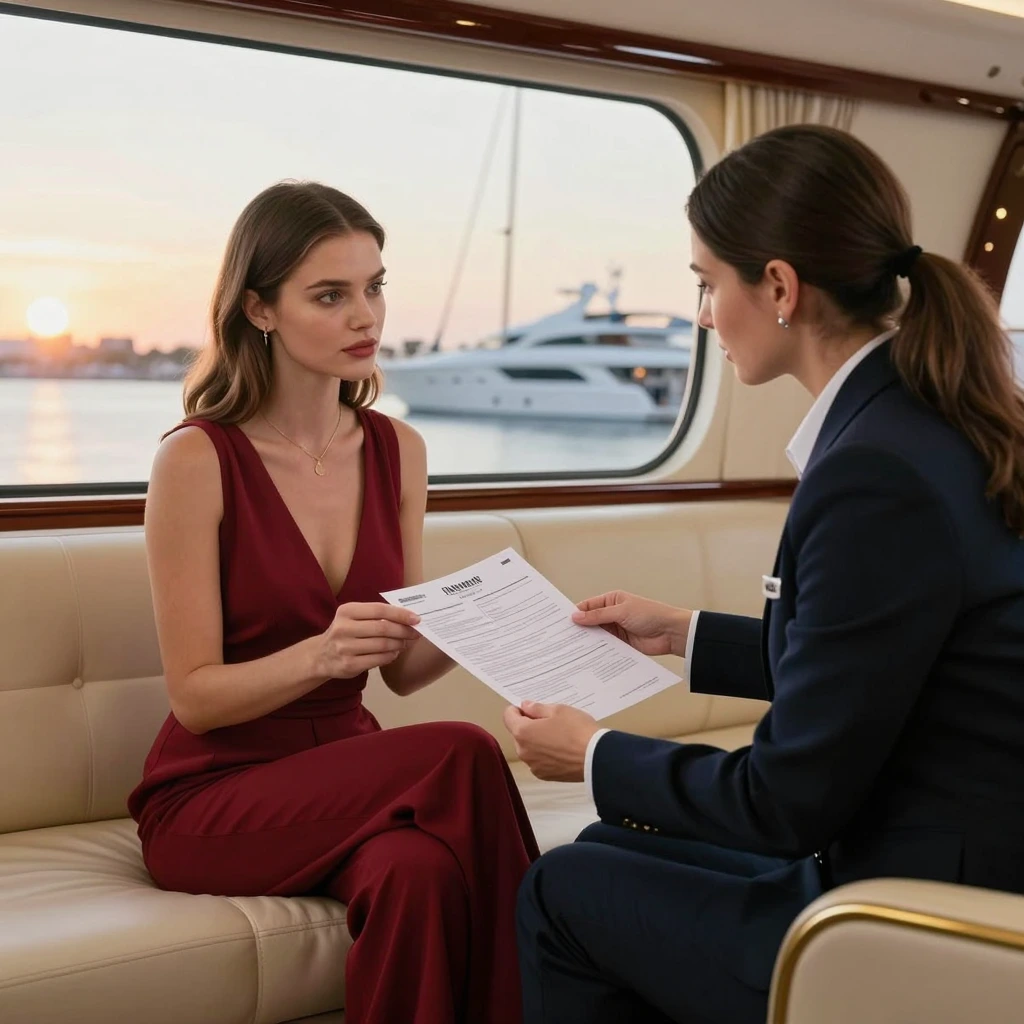
Private yacht trips in the Persian Gulf often attract attention because of their luxury image, international guest lists, and discreet social setting. Behind that image, however, there can be informal recruitment practices involving women invited as companions, hosts, or event guests. For European travellers, agencies, and independent professionals, the key issue is not glamour but safety, legal clarity, consent, and transparent working conditions.
Yacht companionship in the Persian Gulf: what “informal selection” can mean
Informal selection usually refers to invitations arranged outside a licensed event agency or a documented hospitality contract. A person may be contacted through social media, mutual acquaintances, nightlife promoters, private messaging groups, or previous guests. The offer can sound simple: attend a yacht event, socialise with guests, travel for a weekend, or join a celebration.
In practice, the details matter far more than the invitation itself. A legitimate hospitality role should clearly state the schedule, location, transport, accommodation, payment terms where applicable, expected duties, and the right to leave the event freely. If these basics are avoided, changed at the last minute, or replaced with vague promises, the situation may carry serious personal and legal risks.
European readers comparing international travel opportunities can begin with the Europe Catalog to understand how local markets, travel expectations, and professional standards differ across the region.
How women may be approached for yacht events
Informal invitations are rarely presented as a formal recruitment process. Instead, organisers may rely on personal networks, lifestyle content, club contacts, modelling circles, or recommendations from previous guests. Appearance, language skills, confidence in social settings, and perceived discretion can influence who receives an invitation.

That does not make an offer automatically unsafe, but it does mean that the person invited must independently verify the organiser and the conditions. A polished profile, expensive photos, or claims of elite access are not proof that a yacht event is properly managed.
Common signals used in informal yacht selection
Organisers may look for people who can communicate easily with international guests, dress appropriately for a high-end event, follow social etiquette, and remain comfortable around cameras or public attention. Some may prefer guests from certain European cities because they assume they are experienced travellers or speak English fluently.
These assumptions can be misleading. Women from France, Italy, Germany, Poland, Cyprus, or the Balkans are not a single category, and nationality should never be treated as a shortcut for personality, availability, or consent. Those researching regional profiles should use country-specific information carefully, such as the France directory or the Italy directory, while respecting privacy and local regulations.
European legal and cultural differences around yacht accompaniment
For Europeans travelling to Gulf countries, the biggest mistake is assuming that rules from home apply abroad. Laws concerning alcohol, public behaviour, photography, visas, work permissions, cohabitation, and personal relationships may be significantly stricter in the Persian Gulf than in many European destinations.
A role described casually as “companionship” can also create confusion if it includes commercial expectations, travel duties, promotional work, or private entertainment. Before accepting any arrangement, an adult participant should know whether it is a guest invitation, a hospitality booking, a modelling job, a brand event, or another lawful activity. If payment is involved, professional legal advice and written documentation are essential.

Why documentation matters for European travellers
A written itinerary is more than paperwork. It establishes where the yacht departs, who is responsible for transport, whether the vessel is licensed, what happens overnight, and how the participant returns to shore. It should also identify an emergency contact and clarify who holds travel documents. No organiser should ever keep another adult’s passport, phone, or identification.
For travellers coming from smaller European markets, including those checking the Cyprus directory or the Austria directory, cross-border travel can appear routine. Yet a short flight does not reduce the need for visa checks, insurance, independent accommodation planning, and clear exit options.
Red flags in informal yacht invitations
Some invitations are poorly organised but harmless. Others are designed to pressure people into situations they did not agree to. The difference often becomes visible before departure.
Warning signs to take seriously
Be cautious if an organiser refuses to provide the yacht name, marina location, guest list context, or return arrangements. Other warning signs include pressure to fly immediately, requests to travel on someone else’s ticket without details, unexplained cash offers, demands for secrecy, insistence on handing over documents, or attempts to isolate a person from friends and family.
Another concern is a vague statement such as “everything will be discussed onboard.” A responsible organiser can explain the purpose of the trip before departure. Adults should never be expected to accept changing expectations after they are already at sea.

Safer standards for yacht hospitality and social events
Whether a person is attending as a guest, host, performer, or professional companion, safer arrangements start with transparent communication. Independent travel plans, a verified marina address, personal access to money and documents, and a trusted contact onshore should be standard. Sharing a live itinerary with a friend can be a sensible precaution.
Consent must remain active throughout the event. Accepting an invitation to a yacht does not mean agreeing to alcohol, overnight stays, photography, physical contact, private rooms, or any activity not explicitly chosen by the participant. A person must be able to decline, change their mind, and leave without intimidation or financial punishment.
European service providers and travellers should also remember that discretion is not the same as secrecy. Professional privacy protects everyone; secrecy that prevents someone from seeking help is a risk factor.
Practical conclusion for Europeans considering Persian Gulf yacht events
The informal selection of women for yacht companionship in the Persian Gulf is often driven by personal networks and image-based recommendations rather than transparent recruitment. That approach may seem exclusive, but it can leave too much room for misunderstanding, pressure, and unsafe conditions.
The safest choice is to treat every invitation as a travel and hospitality arrangement that needs verification. Check the organiser, confirm the legal basis of the visit, keep control of documents and transport, define boundaries in advance, and avoid offers that depend on urgency or secrecy. For a broader view of European destination pages and local context, visit the country listings.