526. How Repeat Bookings Work in European Cities with High Shares of Regular Business Guests
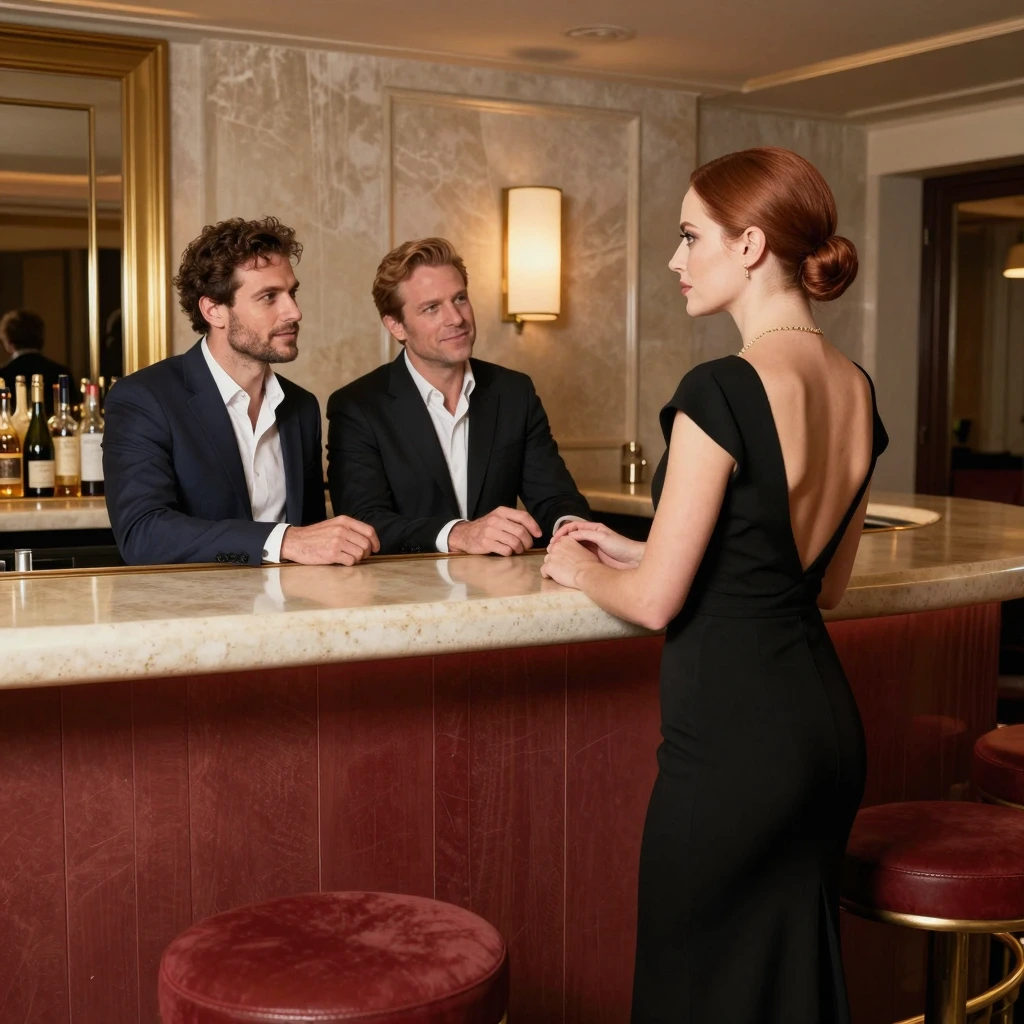
Repeat bookings are a major part of demand in European business hubs. In cities where consultants, executives, trade visitors and long-stay corporate guests arrive every week, people rarely make decisions from scratch. They return to what felt discreet, reliable and easy to arrange before. For independent companions and service platforms, understanding repeat bookings means building a smoother experience without turning communication into impersonal automation.
Why repeat bookings matter in European business cities
European business travel has its own rhythm. Frankfurt becomes busier during financial meetings and major exhibitions, Brussels attracts policy and corporate visitors throughout the year, while Milan, Paris, Vienna and Amsterdam receive a steady flow of international professionals. A guest may stay for two nights this month, return for a conference next quarter, and then book again during a client visit.
In this setting, repeat bookings are not only about familiarity. They are about saving time. Business guests often have compressed schedules, changing meeting hours and little interest in lengthy back-and-forth messages. They appreciate a clear process, honest availability and a provider who understands that discretion is part of the service.
The wider Europe Catalog helps visitors compare destinations where business travel, events and short executive stays create demand for dependable arrangements. Each city has different local expectations, but the value of consistency remains the same.
Repeat bookings and trust: the practical foundation
A first appointment gives both sides an opportunity to assess compatibility. If the communication was respectful, the expectations were clear and the meeting happened as agreed, a future booking becomes much easier. This matters especially in high-turnover cities, where visitors may be approached by dozens of profiles yet remember the person who made the process calm and straightforward.
Clear communication before the booking
Regular business guests usually prefer concise, polite communication. They may need confirmation quickly, but that does not mean rushing past essential details. Availability, general location, meeting format, boundaries and timing should be addressed clearly. A professional approach reduces misunderstandings and gives returning guests a reason to book with confidence.

For example, a visitor traveling through Germany may compare options before arriving in Munich, Berlin or Frankfurt. A well-organised escort-Germany directory makes it easier to understand the market and find location-specific profiles without unnecessary confusion.
Reliability is remembered longer than a discount
In repeat bookings, reliability usually outperforms price incentives. Corporate travellers often operate on expense accounts, tight itineraries or fixed travel budgets. They are more likely to value punctuality, accurate information and a respectful cancellation policy than a last-minute offer.
Reliability also includes small details: replying within a reasonable timeframe, confirming plans on the day, respecting privacy, and not making promises that cannot be kept. These habits create a reputation that travels with the guest from one European destination to another.
How European business travel shapes booking behaviour
Repeat booking patterns differ across Europe because business culture, transport connections and event calendars vary widely. A guest in London or Paris may travel constantly between cities, while a visitor in Luxembourg may return on a predictable monthly schedule. In Vienna, Brussels and Geneva, repeat demand can be linked to institutions, conventions and cross-border business activity.
Trade fairs and conferences create recurring demand
Major fairs often bring back the same professionals every year. Milan Fashion Week, technology events in Barcelona, finance gatherings in Frankfurt and design fairs in Paris are obvious examples. Guests may already know which neighbourhood suits their hotel, where meetings take place and how much free time they realistically have.
For this audience, a practical profile with updated availability can be more effective than exaggerated promotional language. Returning visitors do not need a long sales pitch; they need confidence that the person they contacted last time remains accessible, attentive and professional.

Long-stay corporate guests book differently
Consultants, project managers and relocated professionals may spend several weeks in one city. Their repeat bookings are often less impulsive and more schedule-based. They may arrange meetings around weekday evenings, planned free weekends or the end of a project phase.
In countries with active corporate travel routes, such as France, Austria and the Netherlands, discretion and predictability can influence repeat bookings more than novelty. A visitor may prefer someone who understands their routine rather than searching for a new option on every trip. Those exploring local choices can use an escort-France guide or browse the relevant country pages before planning a stay.
Building a repeat booking process without pressure
The best repeat booking process feels natural. It should never rely on aggressive follow-ups or uncomfortable sales tactics. A guest who had a positive experience will often return when their travel plans bring them back. The goal is simply to remain easy to find, clear to contact and reliable when availability aligns.
Keep booking details organised
Returning guests appreciate not having to repeat every practical detail. At the same time, privacy should always come first. Avoid collecting unnecessary personal information. Keep communication limited to what is needed to arrange a meeting safely and respectfully, and do not assume that a previous arrangement automatically applies to a new visit.
Schedules, preferences and boundaries can change. A simple confirmation before each repeat booking protects both parties and keeps expectations current. This is particularly important in fast-moving destinations where a guest may return after several months.
Make availability easy to understand
Business travellers often book around flights, dinners, client meetings and delayed trains. A profile or listing should make general availability understandable without publishing overly detailed personal information. Mentioning typical booking windows, advance notice requirements or travel areas can reduce messages that lead nowhere.

In cities with strong conference traffic, this approach helps filter enquiries while still serving regular guests well. It also prevents the frustration of last-minute requests during dates that are already fully booked.
Respect local rules in every European market
Europe is not one uniform market. Laws, advertising restrictions and local norms differ significantly between countries and even between cities. Anyone arranging adult services should understand the legal framework where they operate, follow applicable rules, and make consent, safety and adult-only participation non-negotiable.
Visitors moving between destinations should not assume that practices accepted in one country apply elsewhere. Before travelling, they can review country-level options such as escort-Austria listings or the escort-Netherlands section to get a clearer destination overview.
What makes a business guest return
Repeat bookings usually come down to a short list of practical qualities: respectful communication, accurate expectations, discretion, punctuality and a comfortable atmosphere. None of these require complicated marketing. They require consistency.
A returning business guest may not send messages every week. They may disappear for months and then reappear when a new project, exhibition or meeting brings them back to the city. That is normal. The strongest long-term strategy is to remain professional rather than chasing every past contact.
For European cities with a high proportion of regular business travellers, repeat bookings are a sign that the experience was handled well from start to finish. When expectations are clear and privacy is respected, returning guests can become a stable part of demand without compromising personal boundaries or professional standards.