How Demand for Companionship Forms During International Sports and Cultural Events
Major European events change the rhythm of a city almost overnight. A football championship, Formula 1 weekend, art fair, fashion week or music festival brings in thousands of visitors with packed schedules and high expectations. In this environment, demand for companionship often grows alongside hotel bookings, restaurant reservations and premium transport. For many travellers, an experienced local companion adds comfort, conversation and a more personal way to experience an unfamiliar destination.
Why International Events Create Demand for Companionship in Europe
Large-scale events attract different audiences: business guests, sponsors, private travellers, athletes’ entourages, media teams and dedicated fans. They may arrive alone, have limited time, or simply prefer not to navigate a busy city without company. Companionship becomes part of a broader travel experience, especially when event programmes run late and central districts are crowded.
European cities are particularly suited to this demand because many events take place in compact urban areas. A visitor can attend a match in Munich, a gallery opening in Paris or a concert in Milan, then continue the evening in a nearby restaurant, bar or cultural venue. Those planning a trip can explore the Europe Catalog to understand the variety of destinations and local options available across the continent.
Sports Tournaments and Short-Term Booking Peaks
International sports competitions create some of the sharpest spikes in demand. UEFA matches, tennis tournaments, motorsport races, cycling events and winter sports championships bring visitors to cities for a few days rather than for extended holidays. Their plans are often built around a fixed timetable: arrival, pre-event meeting, the main event, dinner and departure.
During these periods, people tend to look for reliable, punctual companionship that fits a structured schedule. The value is not only in attending an event together. It may include help choosing an appropriate venue, sharing local etiquette, communicating in several languages or making a business trip feel less formal. In cities with major football, trade and cultural calendars, demand can rise weeks before the opening ceremony.
Event Calendars, Privacy and Early Planning
Early planning matters during high-demand weekends. Premium hotels sell out, restaurant tables disappear and transport becomes less flexible. Guests who value privacy usually arrange their plans before arriving, particularly during major fixtures in Germany, Italy, France and Spain. Clear timing, realistic travel distances and awareness of local regulations are essential for a smooth experience.
Cultural Events Shape a Different Type of Companionship Demand
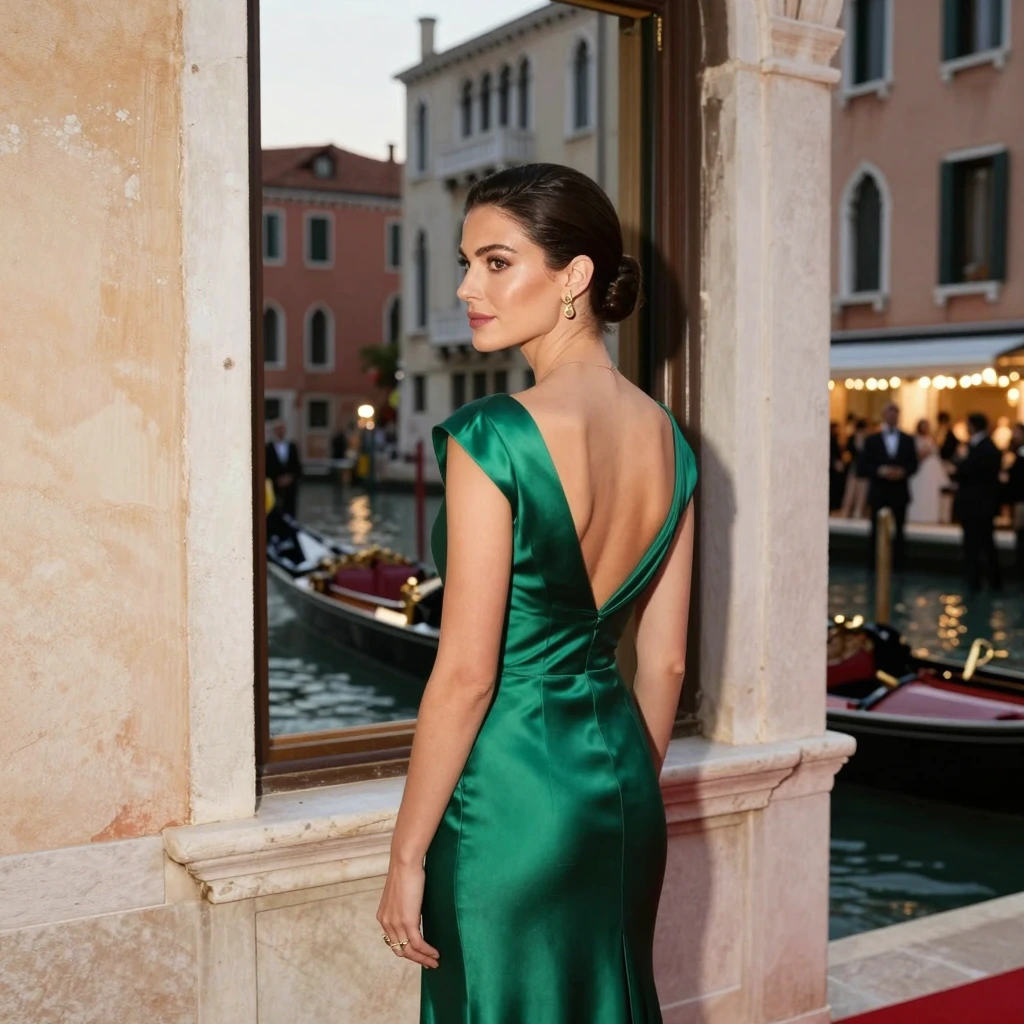
Cultural events produce a more varied audience than sports competitions. Film festivals, opera premieres, design weeks, art biennales and fashion events attract people who are interested in conversation, presentation and shared cultural context. A guest attending Cannes-related events, Venice exhibitions or a Vienna ball may want a companion who understands the tone of the occasion and can move comfortably between formal and relaxed settings.
In France, for example, international visitors often combine cultural programmes with fine dining, shopping and private city exploration. The escort-France page can help travellers compare options when planning a stay around major seasonal events. In Italy, the demand around fashion and art dates often extends beyond Rome and Milan to cities hosting exhibitions, regattas and regional festivals; see the escort-Italy listings for destination-focused planning.
Business Networking, Social Confidence and Local Knowledge
Not every event guest is looking for a large social circle. Many are executives travelling between meetings, entrepreneurs attending an exhibition, or visitors invited to an evening reception where they know nobody. In these situations, companionship can offer a more confident and enjoyable social framework.
Local knowledge has practical value as well. A companion familiar with a city can suggest neighbourhoods that match the guest’s preferences, explain dining customs, recommend a quieter post-event setting or help avoid overcrowded tourist routes. This is especially relevant during large events, when ordinary travel advice quickly becomes outdated.
European Factors That Influence Demand for Event Companionship
Demand is never identical across Europe. It depends on visitor profiles, transport links, tourism seasons, event scale and the character of each city. Capitals with international airports and convention centres see steady business-led interest, while coastal destinations and historic cities may experience stronger seasonal peaks.
Austria often sees increased visitor activity around classical music, winter sports and formal cultural events. Travellers preparing for such occasions may review the escort-Austria directory before finalising their itinerary. Belgium, meanwhile, combines EU-related business travel, conferences, design events and major cycling culture, creating demand that can be both corporate and leisure-oriented.
Smaller destinations should not be overlooked. Montenegro, Croatia, Greece and Cyprus attract guests around yachting, summer festivals and coastal sporting events. Their event-driven demand is frequently tied to holiday schedules, private celebrations and limited availability during peak months.
What Visitors Usually Look For During Busy Event Weeks
Preferences vary, but a few expectations remain consistent: discretion, punctual communication, good presentation, cultural awareness and an ability to adapt to a changing schedule. International guests also appreciate language skills and familiarity with local venues. During a major event, the best plans often include enough flexibility for delayed matches, extended receptions or sudden changes in weather.
For travellers comparing several destinations, the broader country directory makes it easier to organise options by location. This is useful when an itinerary includes more than one European city, such as a sports weekend followed by meetings or a cultural stopover.
How Demand Continues After the Main Event
The end of a tournament or festival does not always end demand immediately. Many visitors extend their stay for sightseeing, shopping, recovery days or informal business meetings. This creates a second wave of interest after the most intense dates, particularly in cities with strong rail connections and nearby leisure destinations.
For service providers and travellers alike, the key is to treat major events as a complete travel cycle rather than a single evening. Arrival dates, side events, restaurant demand, accommodation pressure and local transport all shape the decision. Across Europe, companionship remains closely connected to the desire for a well-organised, sociable and memorable experience during moments when a city is at its most international.