How Short Business Trips with Accompaniment Work Across European Cities and Countries

Short business trips with accompaniment are designed for travellers who need to stay focused while moving between meetings, airports, hotels and unfamiliar districts. In Europe, where a one- or two-day schedule may involve several languages, local customs and cross-border logistics, professional company can make a compact itinerary feel considerably more manageable.
Short Business Trips with Accompaniment: What Is Usually Included
A typical short business trip begins long before the departure gate. The traveller defines the city, dates, expected schedule and preferred level of presence: airport arrival, attendance at a dinner, company during an evening reception, help navigating the city, or simply a polished companion for public-facing occasions.
For European destinations, timing matters. A morning meeting in Brussels, an afternoon train to Paris or a late arrival in Milan requires realistic planning around airport transfers, rail connections and hotel check-in rules. Accompaniment is most useful when it fits the actual rhythm of the trip instead of adding another obligation to an already tight diary.
Those comparing options across destinations can start with the Europe Catalog, where country pages help narrow the search according to the planned route. This is particularly practical for travellers making repeat visits to different European capitals.
Business Travel Accompaniment in Europe: Planning the Schedule
European business travel is often fast, but it is rarely identical from one country to another. In Amsterdam or Copenhagen, meetings may start early and rely heavily on punctual public transport. In Rome, Madrid or Athens, a business dinner can run later and involve more relaxed social timing. The best arrangement accounts for these details without overloading the agenda.
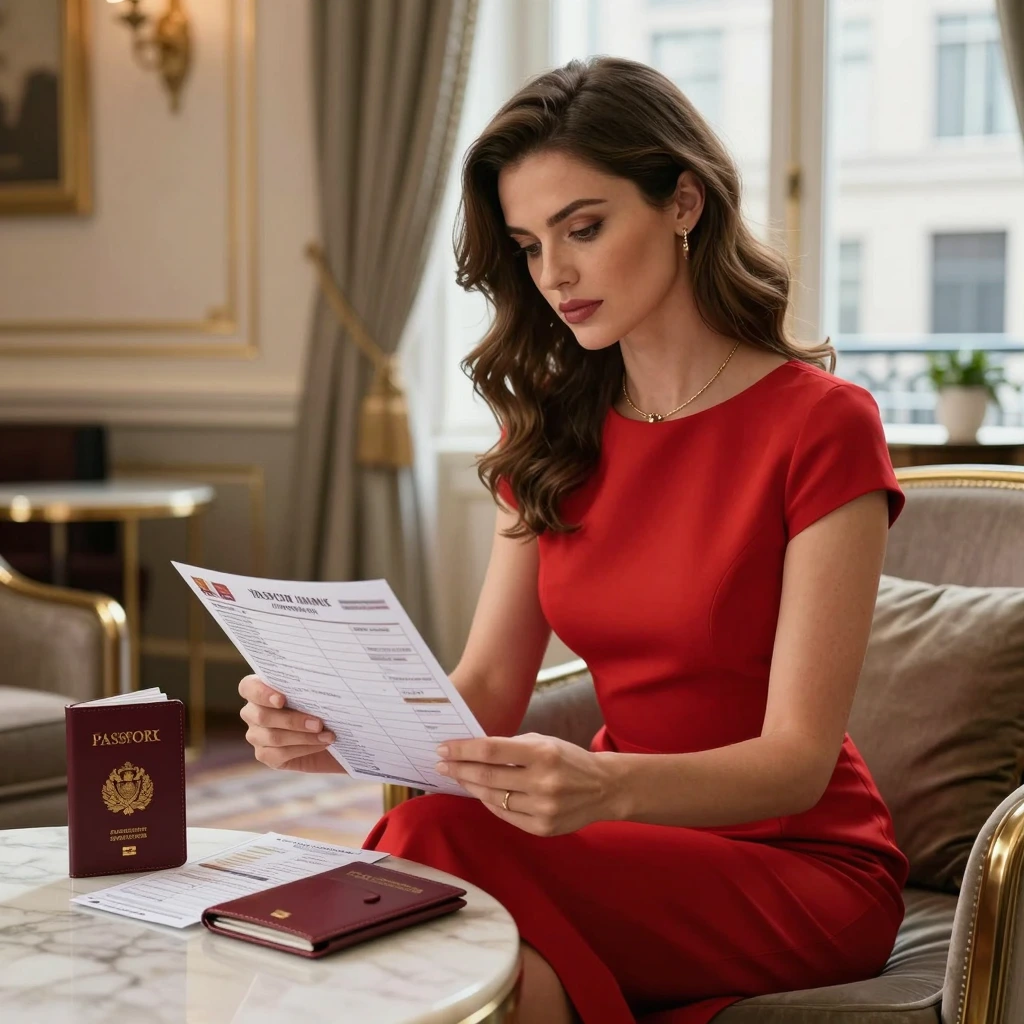
Before confirming any accompaniment for a short business trip, it helps to agree on the essential framework: meeting location, arrival time, planned venues, dress expectations, transport preferences and the expected end of the engagement. Clear boundaries and direct communication prevent confusion, especially when flights are delayed or a client changes the meeting venue at short notice.
Airport, Hotel and Event Logistics for Short Business Trips
Airports are often the least predictable part of a business trip. Passport queues, luggage delays and traffic around major hubs can shift an entire evening plan. A sensible itinerary leaves room for changes and avoids scheduling an important social appearance immediately after landing.
For hotel meetings, guests should always respect the property’s visitor policy and local identification requirements. In major European centres such as Vienna, Berlin and Prague, business travellers may also prefer to meet first in a hotel lobby, café or restaurant near the venue. This creates a calm start and gives both people a chance to confirm the evening’s plan.
If Austria is part of the route, the escort services in Austria page can help travellers consider location-specific options before arriving. Planning ahead is especially valuable during trade fairs, congresses and holiday periods, when central accommodation and restaurants are heavily booked.
How Accompaniment Supports Business Events and Client Dinners
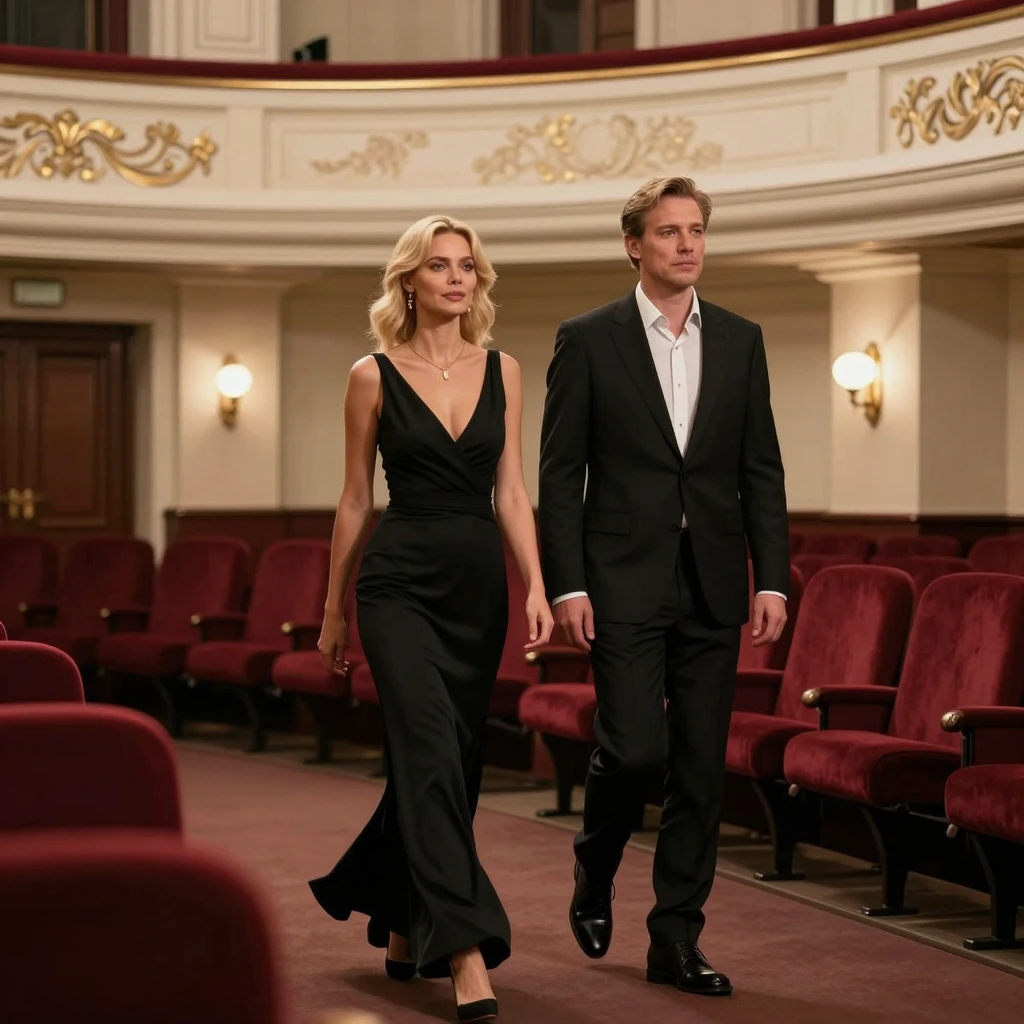
Not every business occasion requires the same kind of presence. A formal gala, a private client dinner and an after-conference drink have different expectations. Good business travel accompaniment is less about drawing attention and more about reading the room: arriving on time, maintaining comfortable conversation and helping the traveller feel at ease in a new social environment.

European cities offer a wide range of event styles. A networking reception in Munich may be more structured than an informal evening in Lisbon. A dinner in Paris may involve longer table conversations, while a meeting in Warsaw may move quickly from a daytime presentation to a restaurant appointment. A companion who understands the purpose of the evening can adapt naturally without becoming part of the business discussion unless invited.
Discretion, Etiquette and Professional Boundaries
Discretion is central to short business trips with accompaniment. It means respecting privacy, avoiding unnecessary questions about clients or commercial matters, and keeping personal information off social media. It also means being transparent about expectations before the meeting begins.
Travellers should not assume that customs are the same in every European country. Dress codes, tipping practices, greeting styles and acceptable conversation topics vary by city and venue. For a polished visit to Belgium, reviewing escort options in Belgium can be useful when preparing for Brussels-based events, diplomatic receptions or international conferences.
Professional boundaries matter just as much as presentation. Both parties should agree on times, venues, payment terms and what is or is not included. Respectful communication creates a safer, smoother experience and protects everyone’s comfort throughout the trip.
Cross-Border Travel Rules for Accompaniment in Europe
Europe is connected, but it is not legally uniform. A traveller moving within the Schengen Area may face fewer border checks, yet local laws, hotel rules, tax obligations and regulations concerning companionship services can differ substantially. For trips involving the United Kingdom, Ireland, Cyprus, non-Schengen countries or countries outside the European Union, passport and entry requirements should be checked well in advance.

Always make sure that travel arrangements comply with the laws of the destination. This includes visa conditions, age requirements, local public-order rules and venue regulations. A short trip does not remove the need for careful compliance; in fact, compressed schedules make preparation more important.
For multi-country planning, the main country directory offers a simple way to organise destinations. It is helpful when a business route includes, for example, a conference in Germany followed by meetings in the Czech Republic or Poland.
Choosing the Right European City for a Short Business Stay
The ideal city depends on the purpose of the visit. Frankfurt, Zurich and Luxembourg are common choices for finance and corporate meetings. Milan and Paris suit fashion, design and luxury sectors. Barcelona, Lisbon and Athens combine conference infrastructure with a more relaxed evening culture. Tallinn and Warsaw appeal to technology and start-up travellers looking for efficient, modern business environments.
For a trip to Germany, checking escort services in Germany before finalising the agenda can help match the arrangement to a city such as Berlin, Hamburg, Munich or Frankfurt. Each has its own pace, transport network and event calendar.
Making a Short Business Trip Run Smoothly
The strongest plan is usually the simplest one. Confirm key details early, keep the route realistic, leave a margin for delays and choose venues that are easy to reach. A short business trip with accompaniment should support the traveller’s goals: confidence at an event, pleasant company after a demanding day, or a more comfortable introduction to an unfamiliar city.
Europe rewards preparation. When dates, expectations and local rules are handled with care, even a 24-hour visit can feel organised rather than rushed. The result is not an overproduced schedule, but a business trip with enough structure to stay productive and enough flexibility to enjoy the city along the way.