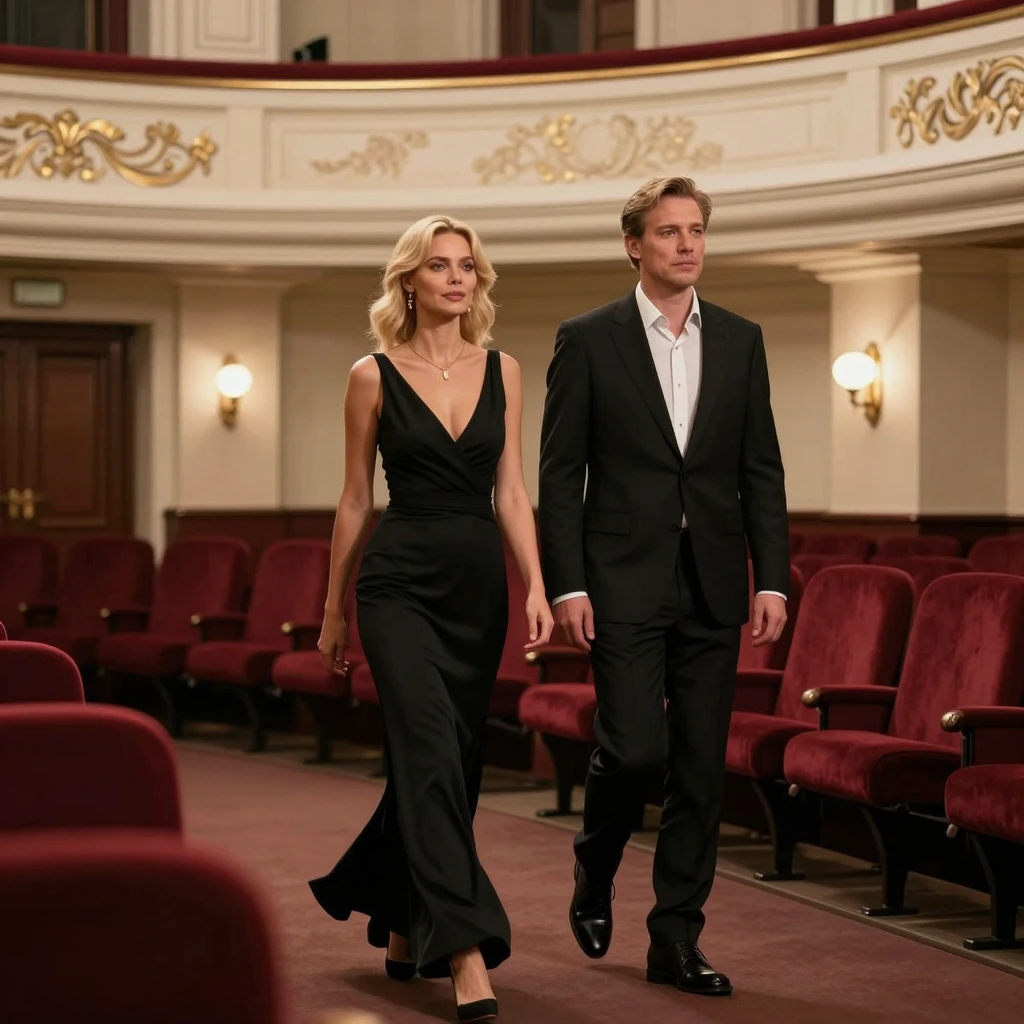
210. How Meetings with Foreign Businessmen Work in Europe

Meetings with foreign businessmen in Europe are rarely limited to a boardroom, a presentation, and a handshake. Local etiquette, pace of conversation, dining customs, and expectations around privacy can shape the outcome as much as the proposal itself. A well-prepared host understands that a business meeting begins before the official agenda and often continues after it ends.
Preparing for Meetings with Foreign Businessmen
Before arranging meetings with foreign businessmen, research the country, industry, and corporate culture of your guests. European business communication is not uniform: a German executive may value a precise agenda and punctual arrival, while an Italian or Spanish partner may spend more time building personal rapport before discussing figures.
Choose a convenient location, send the agenda in advance, and clarify the working language. In multicultural cities, English is widely used, but making an effort to greet guests in their native language creates a warmer first impression. For travel planning across several markets, the Europe Catalog can help organise country-specific options.
European Business Etiquette During the First Meeting
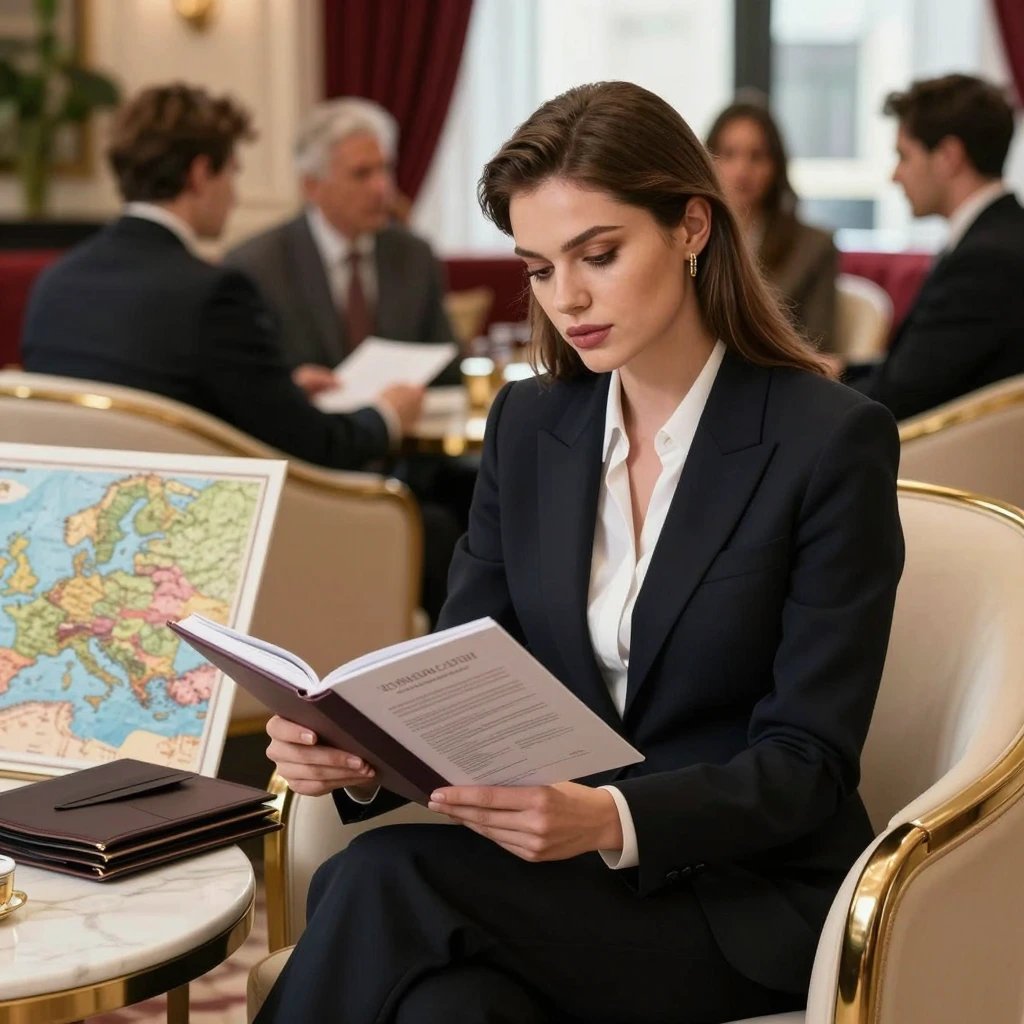
In most European countries, punctuality is a visible sign of respect. Arrive a few minutes early, particularly for meetings in Austria, Germany, Switzerland, the Netherlands, and Nordic countries. In Southern Europe, schedules can be more flexible, yet a foreign visitor should still never be the person keeping others waiting.
Start with light conversation about the city, travel, culture, or professional events. Avoid overly personal questions, heated political debates, and assumptions about nationality. Europe includes many distinct business cultures, so treating the entire region as one market can quickly undermine trust.
When arranging meetings in Central Europe, it is useful to understand local expectations in advance. For example, professionals preparing a visit can review regional information for business travel in Germany or compare practical options connected with visits to Austria.
How Foreign Businessmen Evaluate a Meeting
Foreign businessmen often assess more than the commercial offer. They notice whether the meeting has a clear purpose, whether documents are accurate, and whether everyone in the room has a defined role. A polished presentation is valuable, but honest answers are usually more persuasive than exaggerated promises.
European executives appreciate directness when it is delivered politely. If a question requires further research, say so and set a realistic time for a response. In countries such as France and Belgium, thoughtful discussion may be expected before a decision is made. In Scandinavia, the group may prefer an inclusive conversation rather than a single person dominating the table.
Business Lunches, Dinners, and Informal Conversation
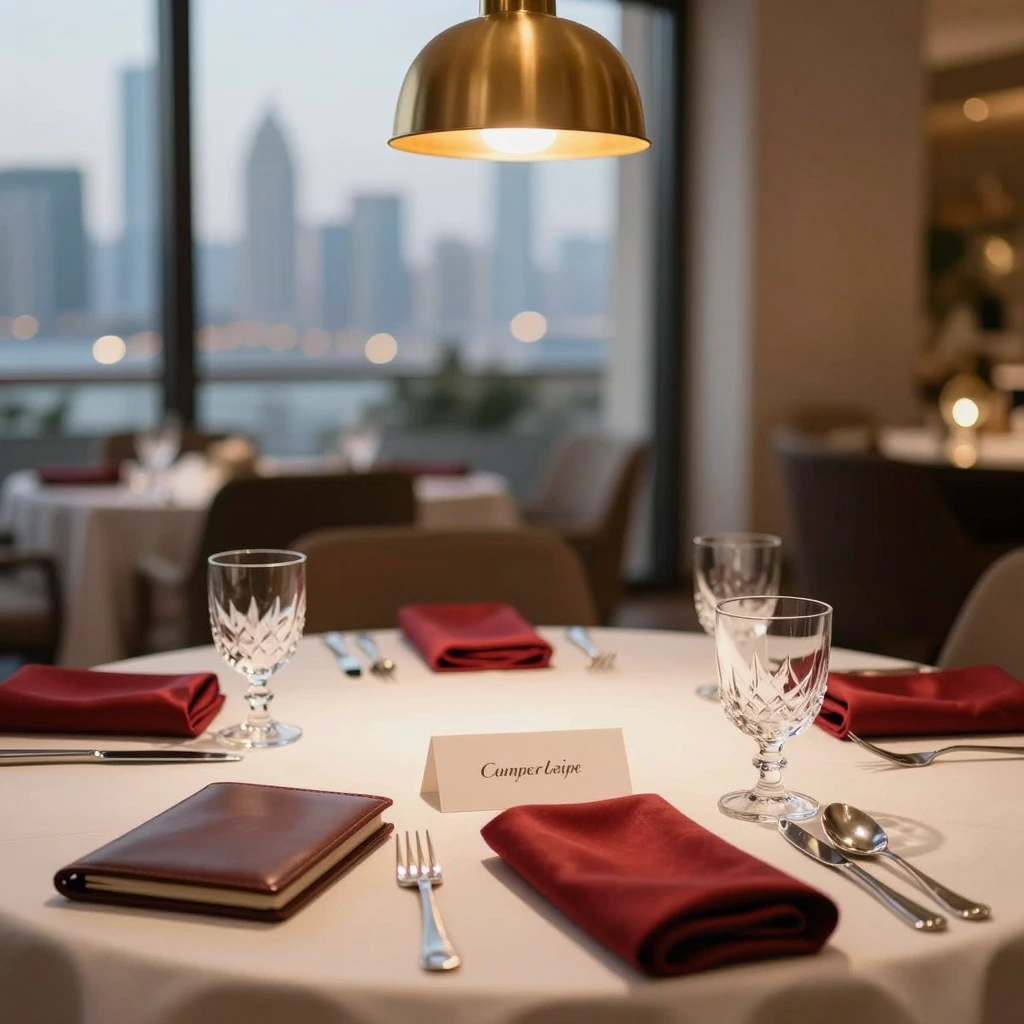
Many meetings with foreign businessmen continue over coffee, lunch, or dinner. This is not always entertainment; it is often the stage where professional chemistry develops. Keep the atmosphere relaxed, but do not force a sales pitch between courses. Let the discussion move naturally from personal interests to common business goals.
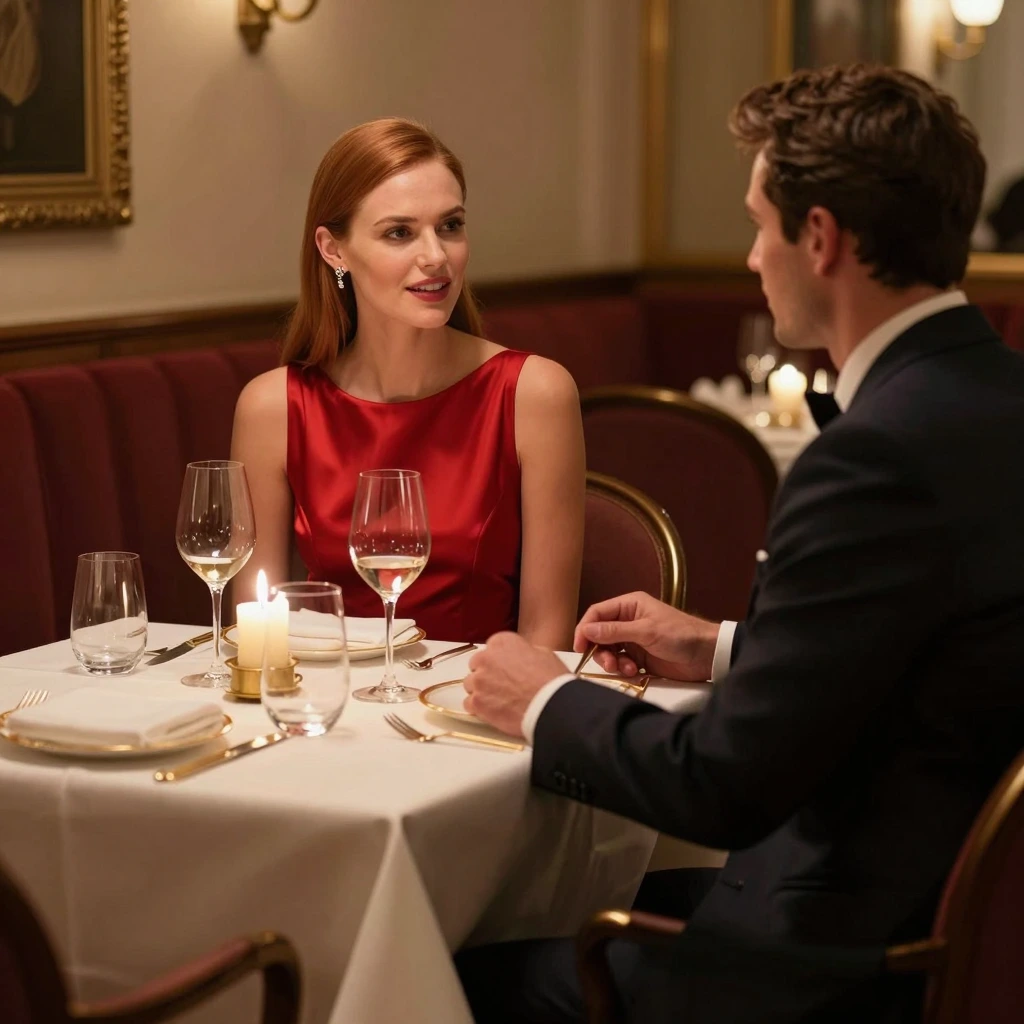
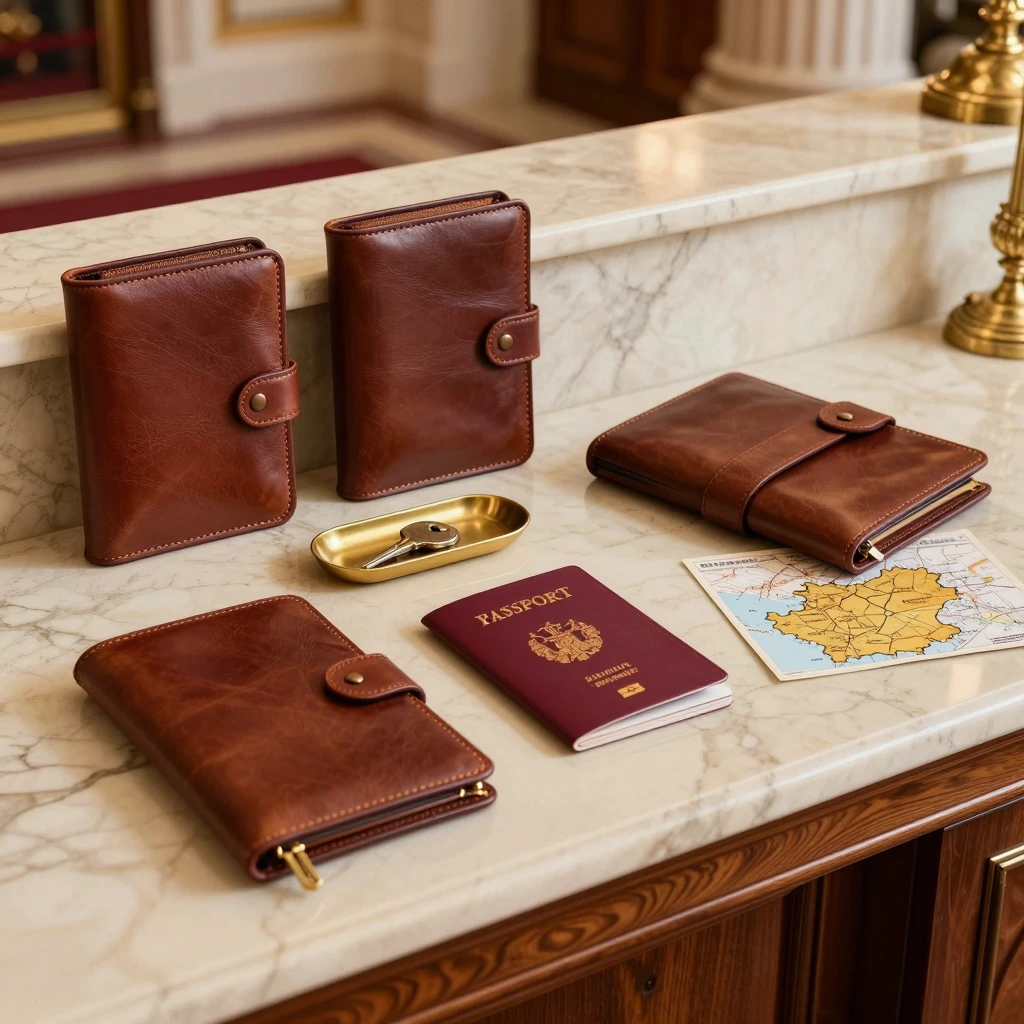
For guests visiting different European capitals, a local host can help with restaurant choices, cultural navigation, and time management. Country pages such as France travel options and Italy travel options can be useful when planning a polished itinerary around business appointments.
Follow-Up After a European Business Meeting
Send a concise follow-up within one or two working days. Thank participants, confirm agreed actions, attach relevant materials, and avoid vague phrases. A clear message shows that the meeting was productive and that you respect your partner’s time.
The strongest meetings with foreign businessmen combine preparation, cultural awareness, and calm confidence. In Europe, professionalism is not about following one rigid script; it is about recognising the people across the table and making cooperation feel reliable from the first conversation.